
Help, That Stick Just Moved! A Candid Chat with Dr Joh about Snake Bites
Let’s be honest, nobody wants to think about their dog getting bitten by a snake. It’s the worst-case scenario we all hope never happens. Yet every summer in Tasmania, it quietly sits in the back of our minds, when we’re walking the dog, pottering in the garden, or letting them race around the beach.
We know you love your dog to bits (we do too), and we also know your questions go way beyond medical jargon. So Beck with her dog Dotti grabbed Dr Joh, Senior Vet and Director at Forth Valley Veterinary Clinic, for a few minutes between consults to get the real scoop.
No scary science just straight up answers, every pet parent needs to hear.
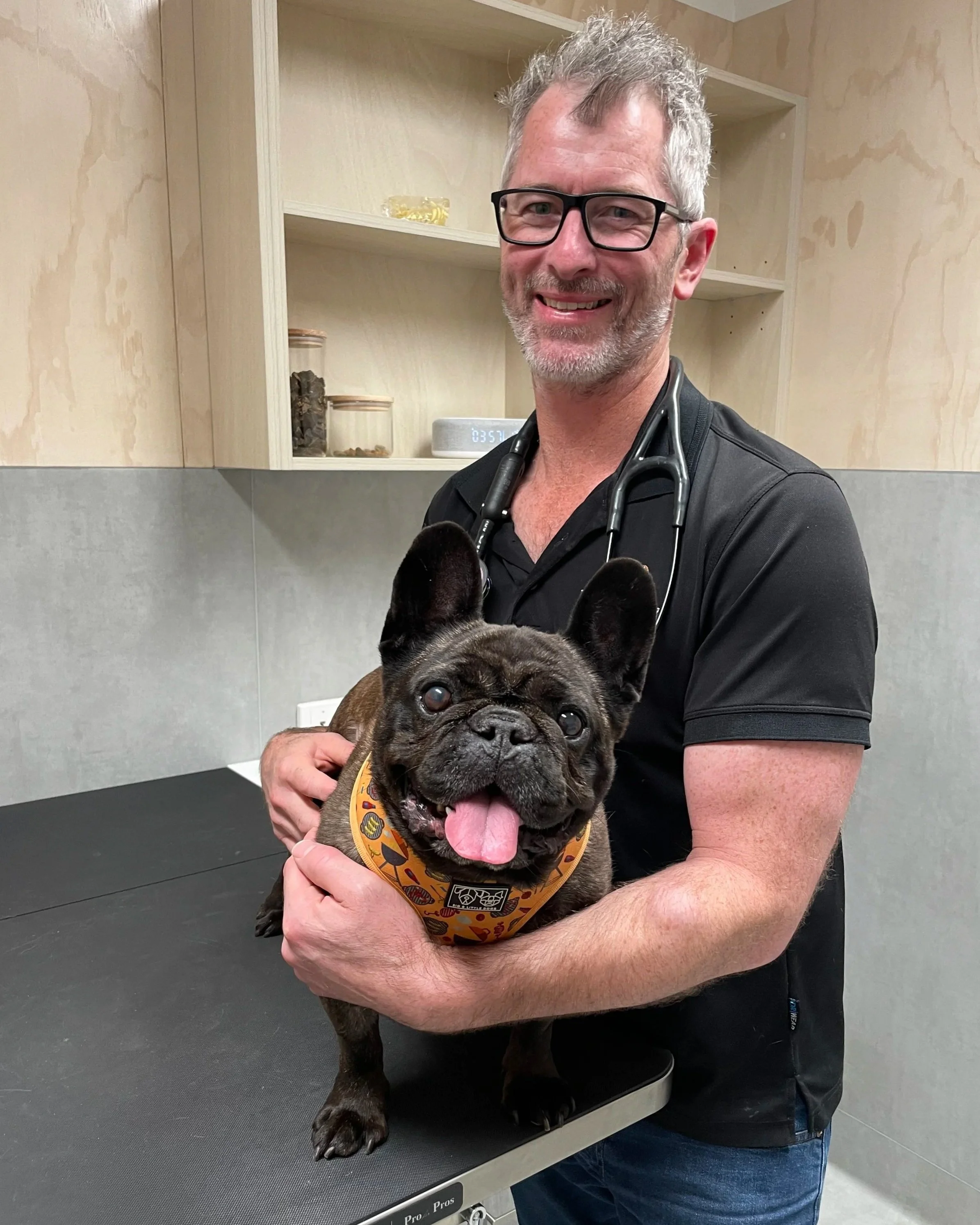
“Dr Joh, my biggest fear is that my dog gets bitten and I don’t even realise it. Apart from seeing a snake, what are the subtle signs or the weird little things that should make me rush her straight to you?”
This is such a common and very real fear. The tricky thing with snake bites is that you don’t always see the bite happen, and the bite itself can be tiny or completely hidden under fur.
Early signs can be subtle and easy to brush off at first. Things I’d want you to take seriously include:
Sudden weakness or wobbliness, especially the back legs
Collapse, even briefly. This is a sneaky one, you can witness a collapse within the first 10 minutes of a bite, and then a bounce back to complete normal behaviour with no signs apparent at all. BUT this is a sure indicator of a toxic bite and you should act immediately!
Shaking, trembling, or seeming “off”
Drooling, vomiting, or retching
Dilated pupils or a vacant, distant look
Sudden lethargy, your dog who just wants to lie down and won’t get up
Sometimes owners say, “She just wasn’t herself” and honestly, that gut feeling matters. If something doesn’t feel right after being outdoors in snake season, it’s always safer to assume the worst and let us check.
“If I actually see it happen, I know I’m going to panic. Can you give me a simple step-by-step checklist of exactly what to do ( & not to do) in those first 25 minutes before we get to Forth Vets?”
Totally understandable panic is human. But here’s the good news: what you don’t do is just as important as what you do.
If you see or suspect a snake bite:
DO
Keep your dog as still and calm as possible movement spreads venom faster
Carry them if you can (don’t let them walk)
Head straight to the vet, don’t delay
Call us on the way so we’re ready
This might not sound like much but these simple steps are life savers and lets face it, there’s not a huge amount more you can do.
DO NOT
Apply tourniquets
Cut or suck the bite
Use ice, heat, or home remedies
Wait to “see how she goes”
Your job is simple: minimise movement and get here as fast as you can. We’ll take it from there.
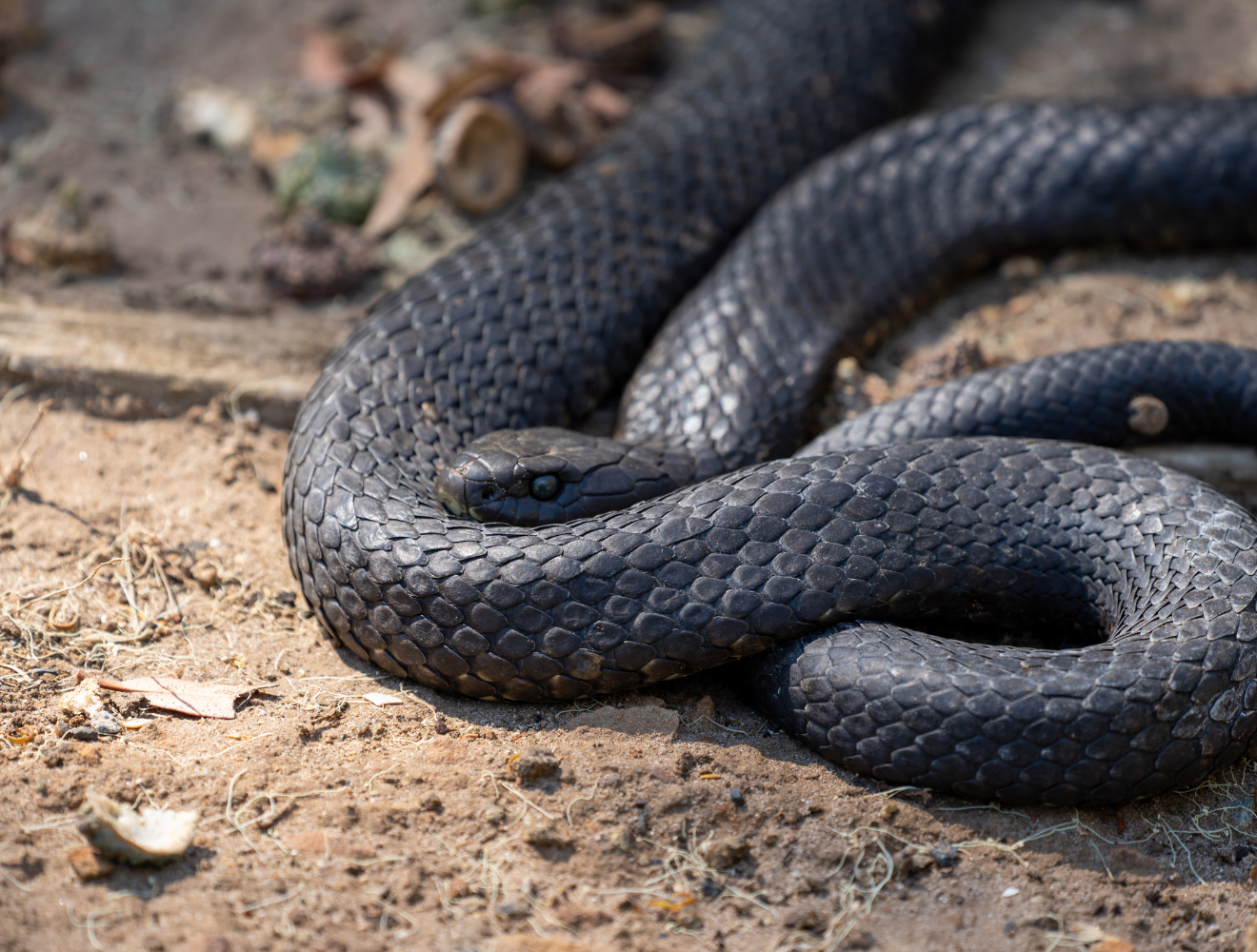
“I’m useless at identifying snakes, do I need to know what kind of snake bit her for the anti-venom to work?”
Short answer? No and please don’t risk yourself trying to find out. In Tasmania, we’re primarily dealing with Tiger snakes, Copperheads and White-lipped snakes.
Luckily, our approach doesn’t rely on you playing snake detective. We use clinical signs and blood tests to guide treatment and the anti-venom we administer is called a multi-valent anti-venom which means it covers the various snakes your dog could be bitten by in Tasmania.
Tiger Snakes are by far the most common species we deal with.
“Be frank with me, how much time do we have? Minutes? Hours? Does it depend on my dogs size?”
It is time-critical, but not always as instant as people fear. Some dogs deteriorate very quickly, others more slowly. Factors include:
Amount of venom injected
Bite location
Dog size and overall health
How much they move afterward
An example of fast deterioration would be 10-20 minutes, however we also deal with cases up to 2-3 hours later. Generally, earlier treatment dramatically improves outcomes. It’s best to assume urgency.
“We love walking and visiting the beach. Aside from keeping her on a lead 24/7, are there practical things I can do to make our backyard or walks less ‘snake-friendly’?”
Absolutely and I’m glad you asked because I don’t want people living in fear.
Around home:
Keep grass short
Remove piles of timber, rocks, and debris
Reduce rodents (they attract snakes)
Close up gaps where snakes could shelter
Keep water bowls on elevated platforms that your dog can reach and consider limiting the amount of resting water around the yard (ponds, bowls, baths etc) as snakes will be attracted to water sources. Maybe even close off water areas to prevent your dog accessing these higher risk areas in the heat of summer. Obviously being mindful that your own dog will require access to water and shade or cool zones during summer too!
On walks:
Stick to clear paths
Avoid long grass and scrub in warmer months
Be extra cautious on warm, still days
Snakes don’t want to bite your dog they want to escape. Reducing surprise encounters helps everyone. If they have easy escape routes, they will usually prefer to move away rather than bite.
“This is really hard to ask, but I need to know if she gets bitten, is she in a lot of pain? Is she suffering while we’re driving to the vet?”
In most cases, dogs aren’t in severe pain like you might imagine. They’re often weak, quiet, or groggy, rather than distressed. The venom affects nerves and muscles, which leads to that floppy, spaced-out look.
Your dog is usually more confused and tired than suffering and being with you, calm and still, is the best thing you can do in that moment.
People that have been bitten have described the feeling like having run a marathon extremely fatigued and achey not so much acute pain. They can feel panicky too though. Not nice feelings!
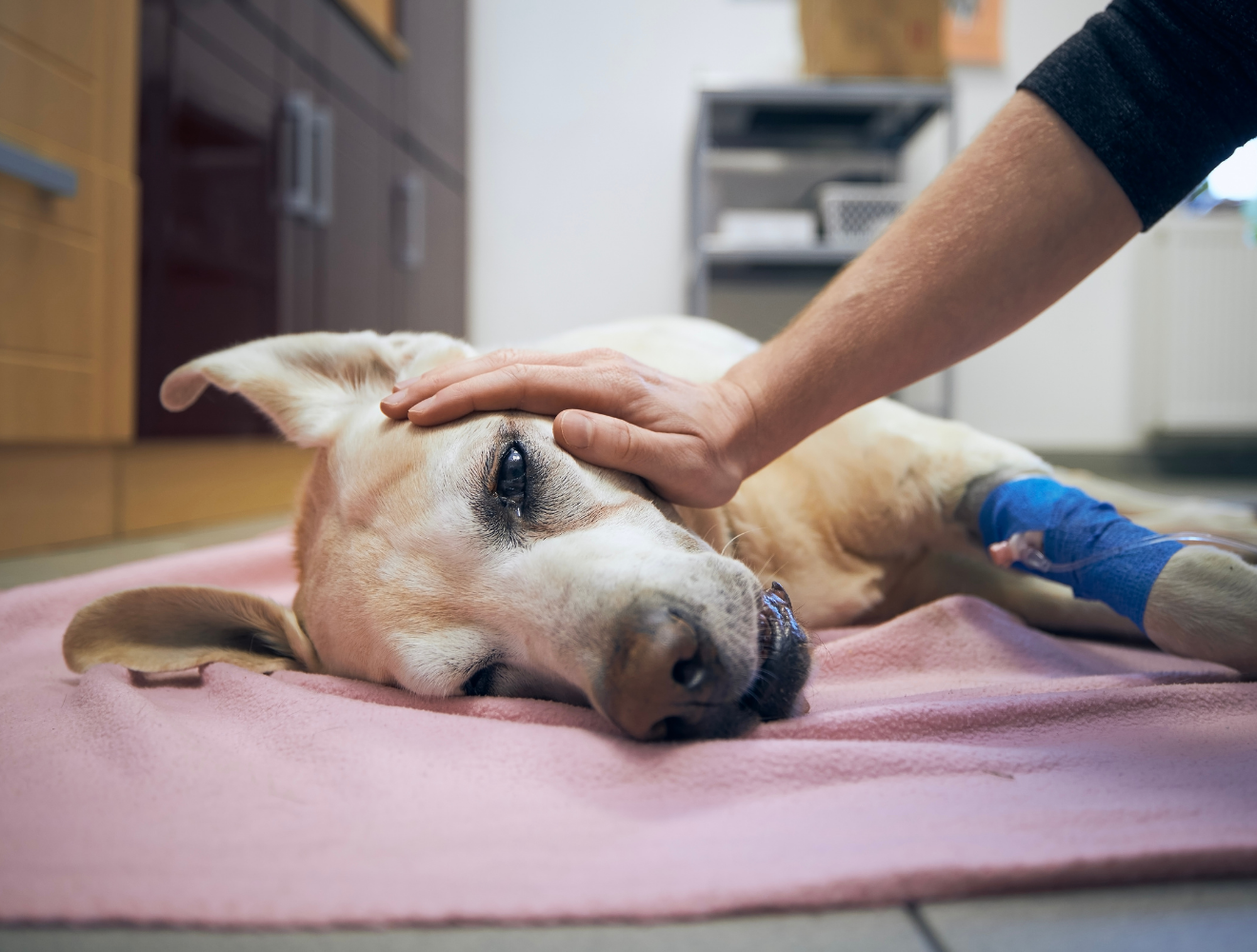
“We love our little girl more than anything. I know snake treatment can be expensive can you give us a rough idea of what we might be up for?”
This is an important and fair question.
Snake bite treatment can range from a couple of thousand dollars to more, depending on:
Severity of the bite
Amount of anti-venom required. The supply of anti-venom itself is over $1000 just for a vial.
Length of hospitalisation
Need for intensive monitoring or even ventilation (assisting breathing support)
I always encourage pet insurance and open conversations with us early. We’ll talk you through options and focus on what’s best for your dog medically and practically.
“I’ve heard the term ‘dry bite’. Is there ever a scenario where we can just wait & see?”
Yes, dry bites do happen but here’s the catch, you can’t safely tell at home. Waiting it out can cost precious time if venom was injected.
So my advice is clear: every suspected snake bite is an emergency until proven otherwise.

If we get to Forth Vets in time and she pulls through, will she be okay long-term?”
The reassuring news, most dogs who receive prompt treatment recover incredibly well.
Age and size don’t automatically mean worse outcomes. Long-term kidney or organ damage is uncommon when treated early, and many dogs bounce back to their normal, selves within 1-3 days, sometimes even within hours!
Seeing those happy follow-up visits, that’s one of the best parts of my job!
Thanks, Dr Joh.
And to all our dog families reading this knowledge is power, but calm action is everything.
If you’re ever unsure, call us. We’re always here to help. 🐾