
Forth Valley Veterinary Clinic Blog
Our top tips and useful information regarding pet and animal health…

Christmas Dangers
Christmas is coming!!
Along with unwanted extra weight, Christmas carries some added dangers for your pets that you may not be aware of.

Beach Etiquette
If you like taking your pooch to the beach, there are a few simple rules to follow to keep everyone safe and happy.

Water Safety
Safety around the water is not just a priority for people, but for pets too. Not all pets know how to swim, not all pets are comfortable in the water

Safe Summer
We all like getting ourselves, children and the furry loved ones out and about over the summer months, so here are some quick tips to having a safe and happy experience for all!

Parasite Control
The weather in Tasmania is too cold for the mosquitoes that spread heartworm to survive. However, if you’re travelling to the mainland then you’ll need to protect your pet from heartworm

Hydration
While on your trip, it is highly advisable to ensure that your dog is fully hydrated at all times, especially during the day. Water and shade are essential to any dog because they play a key role in preventing pets from overheating and dehydration.

Exotic Cat Breeds
As you know, during the month of February we are having a focus on ‘Exotic Pets’.
As Kath would say to ‘Team with the Theme’ - we thought we would do a little blog on ‘Exotic Cat Breeds’.

Hot Car Dangers
Leaving your pet in the car may be hazardous to its health! When its 26 degrees outside, a car can heat up to over 48 degrees in just minutes. In a temperature that is high, your pet could easily die.

Dogs and Vehicles
When travelling with dogs it is the owners duty to ensure the animal is transported appropriately and provided with its essential needs, including food, water, protection from heat or cold and a safe position on the vehicle.

Dogs on Utes
Many dogs nation-wide are killed or injured from travelling on the back of open and moving vehicles each year.

Watch Where You Walk
When travelling in summer months walking your dog when the ground is too hot can cause serious damage to their paws.
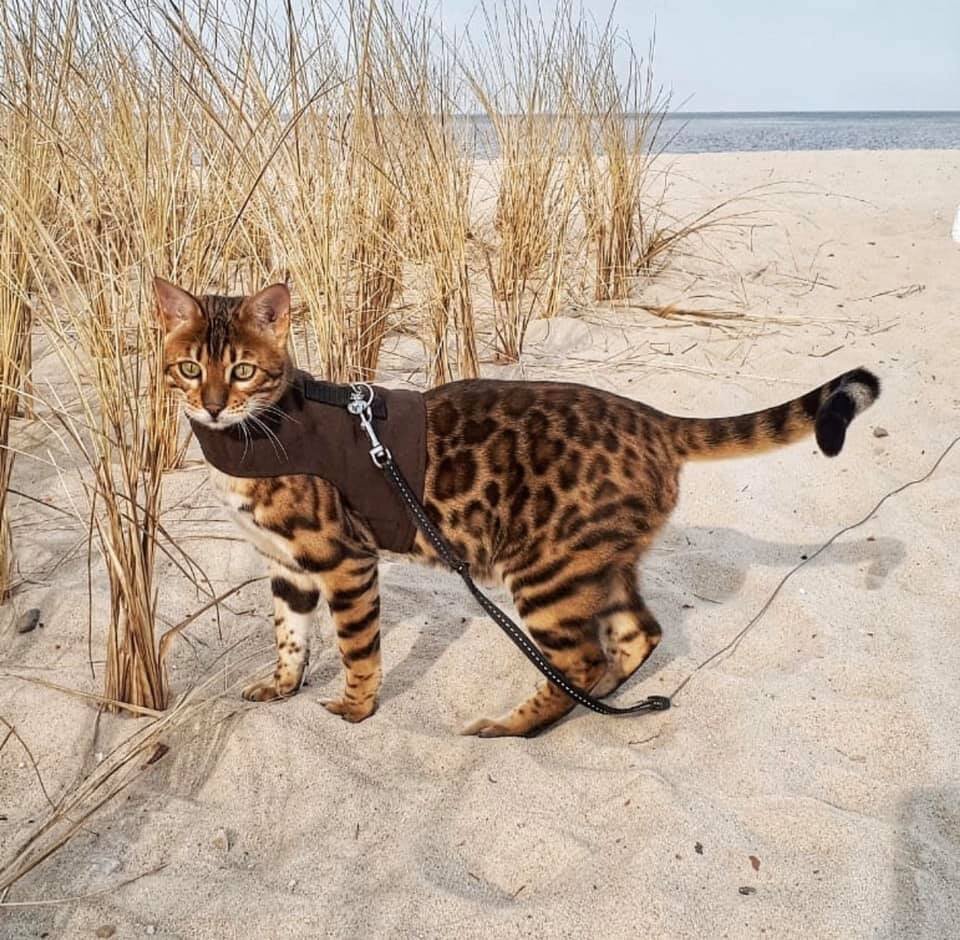
Transporting Cats
It’s inevitable that if not for a holiday, a cat will need to be transported in a car even if just for a visit to the vet. Cats tend not to be as comfortable in moving vehicles as dogs but will become used to it if started early in life, even when they are kittens.

Hind Dew Claws
Some dogs have ‘em, some dogs don’t!

Dairy Products
Easter... my favourite holiday. They only time you can eat chocolate for breakfast without the guilt 🤤
Unfortunately the same isn’t for our fur babies. During the month of April we will be doing mini blog posts on dangerous foods for your pets!

Fatty Foods
All foods high in fat and salt can lead to a major stomach upset and in more serious cases, Pancreatitis. This happens when the pancreas becomes inflamed. The pancreas is an organ near the stomach that helps digest food, control blood sugar and is responsible for releasing enzymes that aid in digestion. When the organ is working normally, the enzymes become active only when they reach the small intestine.

Ah Choo!
Ah Choo! Or it this case *scratch scratch 😤

Xylitol Toxicity
Xylitol is widely used as a sugar substitute and is found in a variety of products, but of late has been added to some low sugar peanut butter brands.

Flea Allergy Dermatitis
Flea Allergy dermatitis or flea bite hypersensitivity is one of the most common dermatologic disease. Cats also develop FAD, which is one of the major causes of Feline Miliary Dermatitis. FAD is most prevalent in the summer, although in warm climates flea infestations may persist throughout the year. Temperature extremes and low humidity tend to inhibit flea development.

Helping Children with a Fear of Animals
This post is not meant to be professional psychological advice for children with anxiety disorders, but rather a discussion of general ways that we can help prevent children developing a fear of animals and help relieve this.

Otitis
Otitis ‘inflammation of the ear’ is a common condition in dogs and is occasionally seen in cats.
Our staff are wildly passionate about animals and making sure your pet is living its healthiest and happiest life
Back that passion with expert qualifications and a love of learning, and it’s safe to say your fur family is in very safe hands.