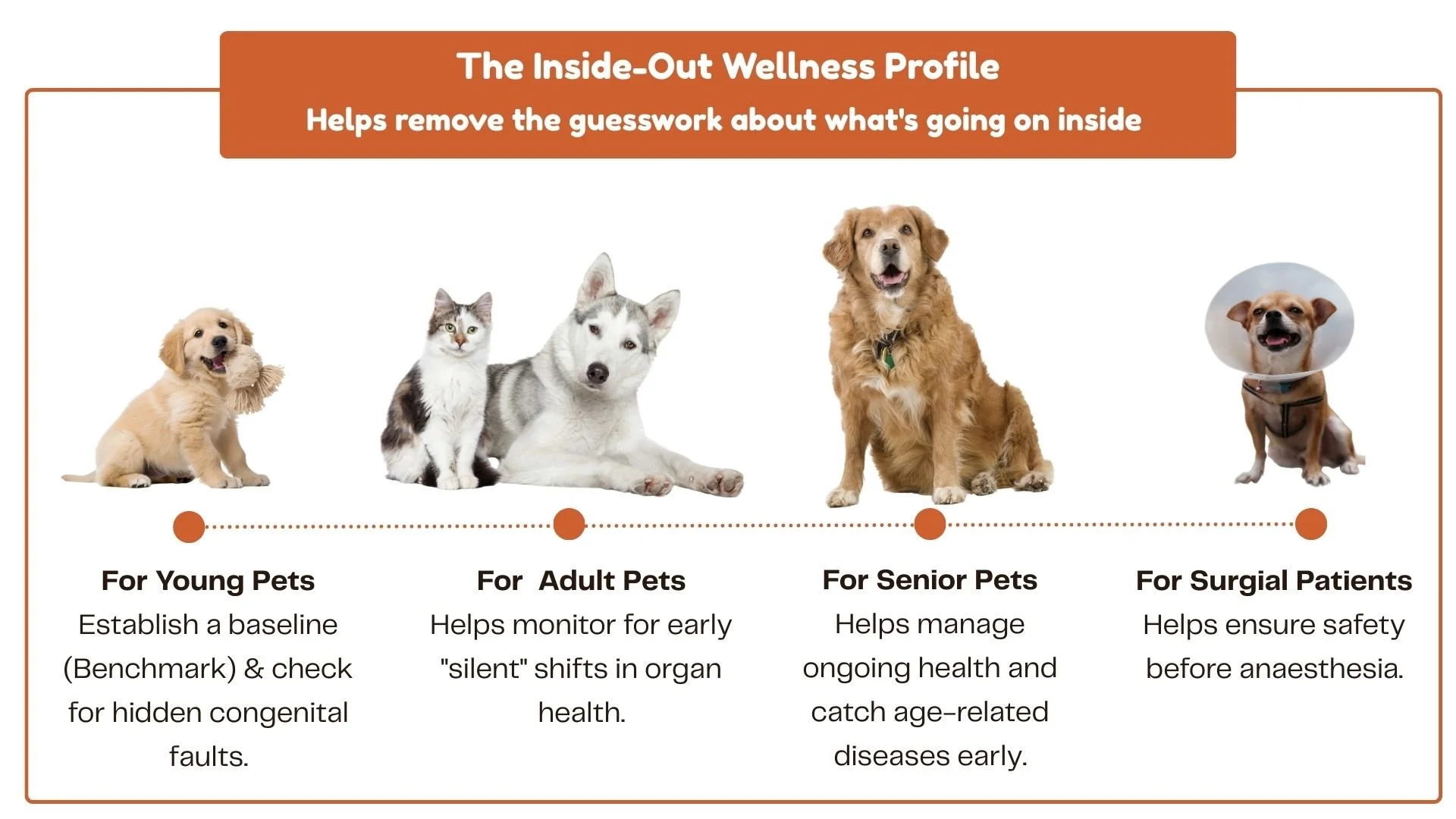
Don’t wait for symptoms, the importance of looking "Inside-Out"
We sat down with Dr. Katie to ask some vital questions about the importance of blood and urine testing as part of your pet’s annual health check.
“So, Dr Katie, when you take a vial of blood from my pet what are you looking for and what does it tell you?”
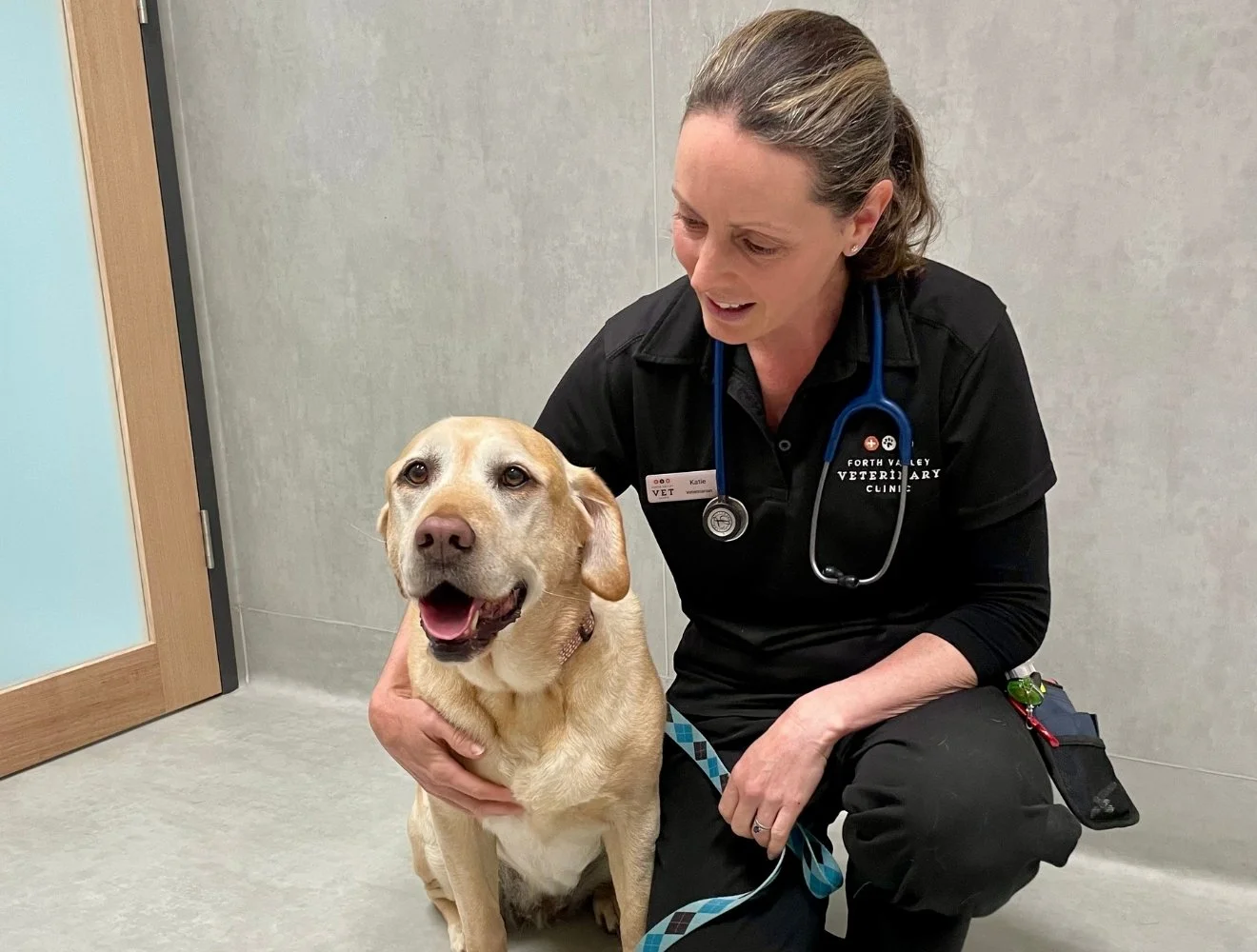
It’s only a small amount of blood, but it gives us a massive amount of data, over 40 different points of information! We aren't just looking for "sickness"; we’re looking at the functions and baseline levels of your pet’s internal “engine”.
With this information we can go much deeper than a physical check-up to uncover warning signs of many different health issues, including:
Kidney & Liver Disease: Are these key systems working effectively?
Diabetes: Is their blood sugar regulated?
Cushing’s Disease: Are their cortisol levels too high?
Immune Dysfunction: Is the body fighting an invisible problem?
Heart Disease: Are there markers indicating cardiac stress?
Cancer Risk Indicators: Are there abnormal protein levels or cell counts that warrant investigation?
“My pet is only 3 years old, isn't blood work something I only need to worry about when they are seniors?"
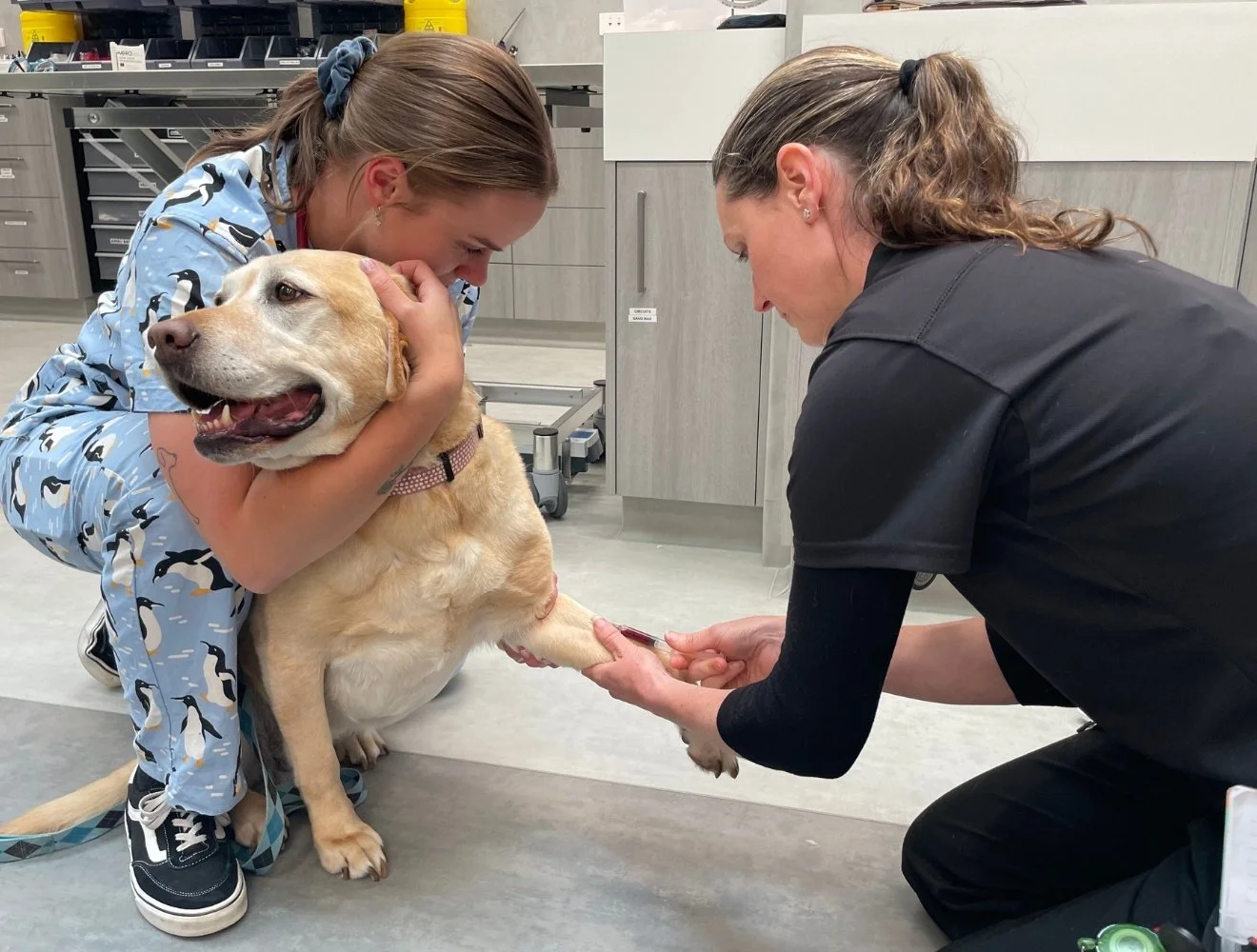
While bi-annual blood and urine testing are critical for seniors, testing younger pets is just as valuable because of something we call benchmarking.
Every pet is unique. What is "normal" for the average Labrador might be "abnormal" for your Labrador. If we run a test when your pet is young and healthy, we get a baseline of what their perfect health looks like.
You could call this their a Biological Blueprint!
Later in life, if they get sick, we can compare their new results against that healthy benchmark. It helps us spot subtle shifts. Plus, as we saw with some recent patients (like Xena), even young pets can have hidden congenital issues that we need to know about to help keep them safe.
"My pet seems completely fine. They are eating well, wagging their tail and playing so why would I consider a blood tests as part of my pet’s annual vaccination and health check, they don’t appear unwell? "
Think of a physical exam as looking at the body work of a car. We can see if there are scratches or dents, but we can't tell if the oil is low or the engine is overheating without popping the hood. Blood and urine tests are how we "pop the hood." They allow us to stop guessing and see how the internal organs are functioning before a crisis happens.
And don’t forget that our pets are wired to hide signs of weakness. By the time they look sick on the outside – when they’ve stopped eating or they’re losing weight or they’re just drinking a little more than usual, any issues on the inside might already be quite advanced and potentially lead to a more urgent situation.
We often have a higher chance of achieving a better outcome, if we can catch diseases and problems early. The longer something hides away before popping up externally, the harder it becomes to make changes, save lives or better support their quality of life.
“You recommended a Pre- Anaesthetic Blood Test (PABT) before any surgery. Since this is just a routine procedure and my pet is young, is this really necessary?
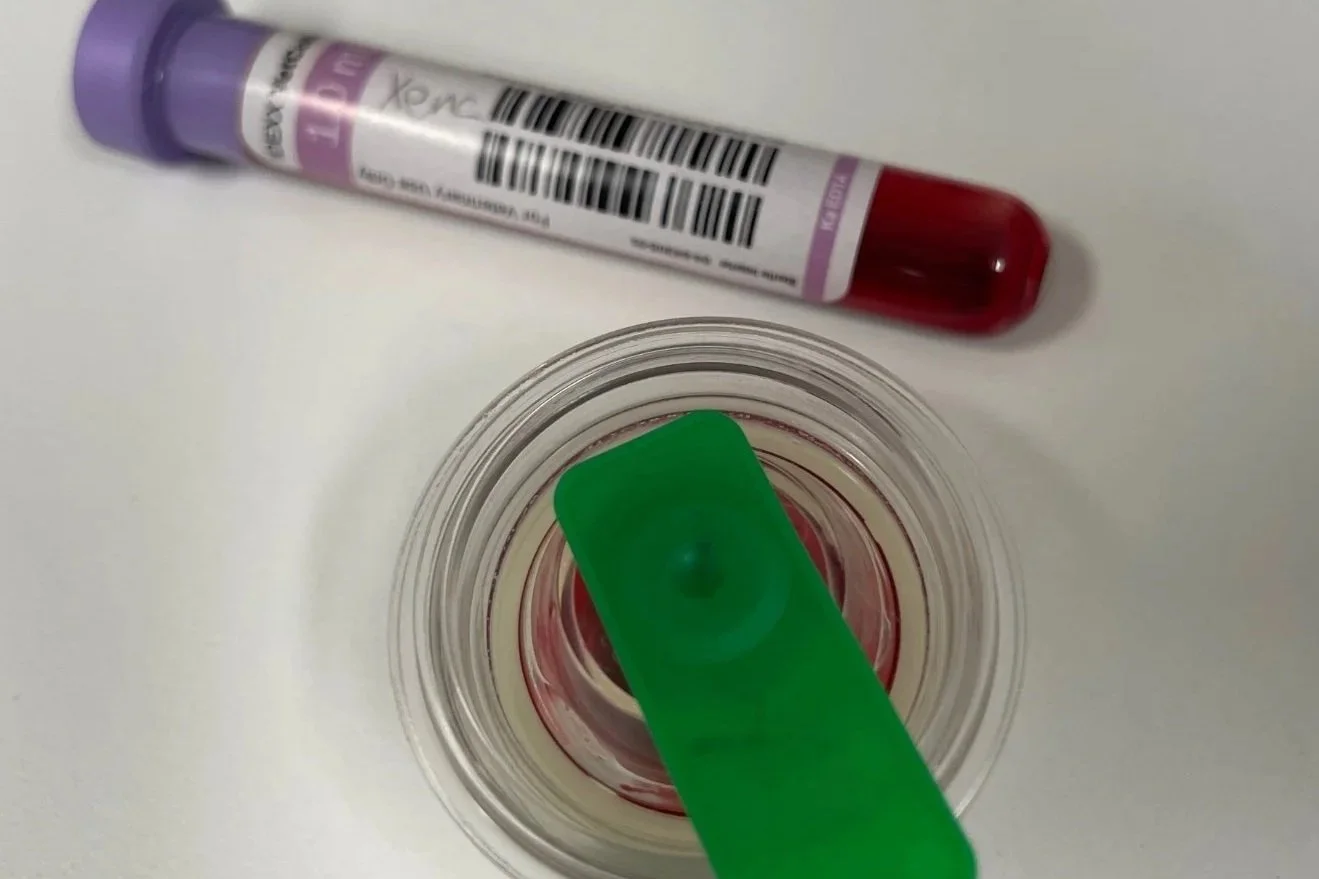
"Routine" surgery still requires anaesthesia, and anaesthetic drugs are processed by the liver and kidneys. Even if a pet looks healthy, if their kidneys are struggling slightly (which we can't see from the outside), the anaesthetic can impact those organs further, even if they younger and look healthy.
Pre-Anaesthetic Blood Testing (PABT) is your pet’s safety net. It ensures your pet’s organs can handle the medication internally and helps us tailor a safer anaesthetic and pain management plan for them.
For example; we may change the type of anaesthetic drug plan, or use different pain relief, or alter fluid therapy plans during the anaesthetic all based on blood test results.
If the test results come back 'Normal', was it a waste of money?
Absolutely not, in fact, a "normal" result is often the most valuable data we can get! I completely understand the feeling, though. You pay for a test and when everything comes back clear, it can feel like you paid for nothing.
But think of it this way: We now have “Biological Blueprint" of your pet at their absolute best. If your pet does get sick in the future, having a healthy baseline from today helps us solve a future puzzle much faster. We don't have to guess if a weird result is just "how they are" or part of the new illness, we will know for sure because we checked when they were healthy.
Plus "Normal" is a range, not a specific number. On a lab report, "normal" for a kidney value might be anywhere between 10 and 100.
If your dog tests today at 20, that is their specific normal. If we test them next year and they are at 90, they are still technically inside the "normal" range on the chart but the jump is a big change and something we’d watch more closely as a trend.
So, no a normal result isn't a waste. It’s the safest standard we want to aim for, and peace of mind is always worth!
I understand checking the blood, what additional information does urine testing show?
Great question. While blood tests give us a snapshot of much of the body's overall health and organ function, urine testing provides a completely different dataset that blood simply cannot see. Urine is often a part of our earliest warning system for several major diseases.
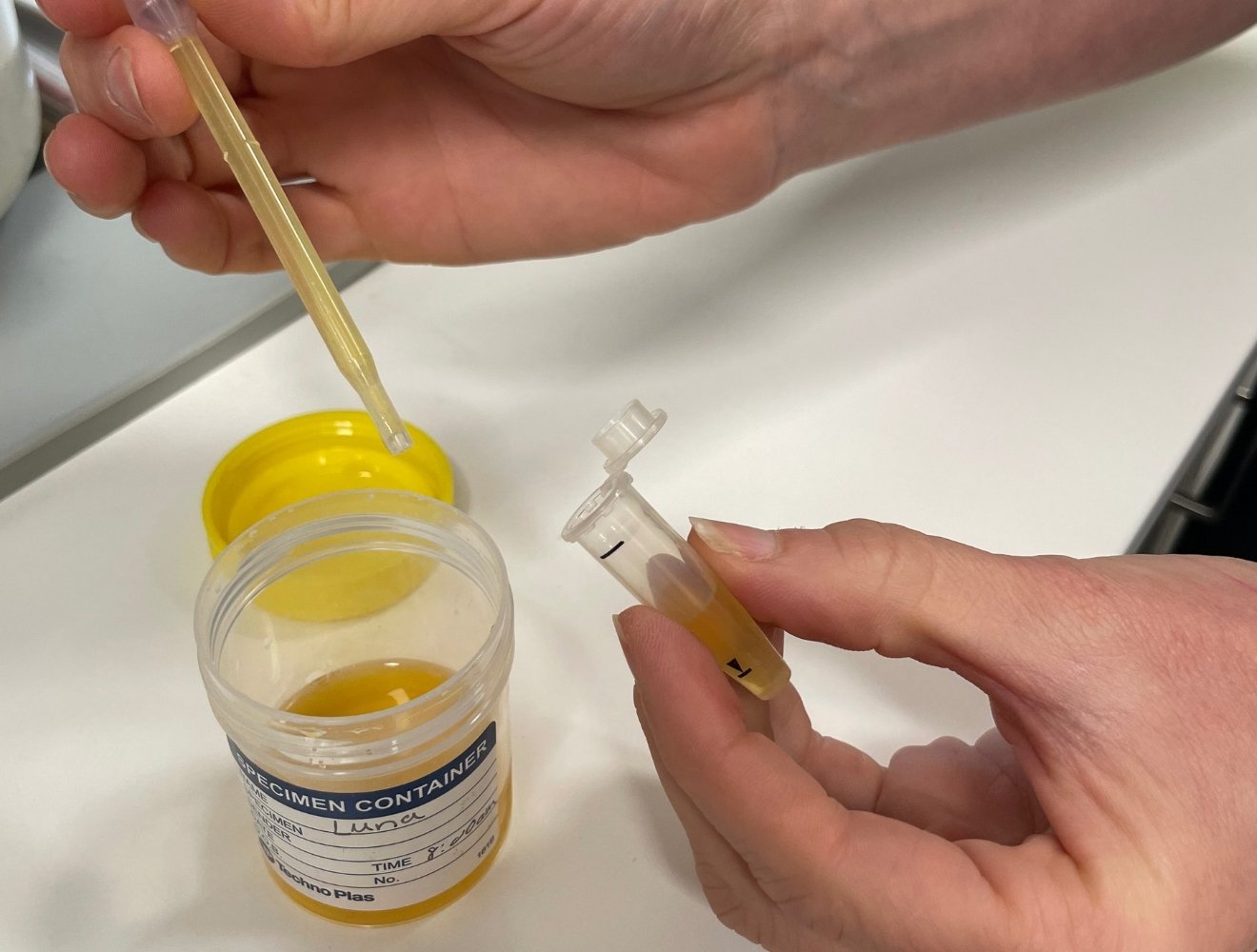
Urine tells us specifically how well the kidneys are filtering waste and conserving water. Here is exactly what we look for and why it is so important:
Kidney Function (Concentration) When kidneys begin to deteriorate (for any reason), they lose the ability to concentrate urine. By measuring Specific Gravity, we can see if the kidneys are struggling to hold water in the body, long before blood values become abnormal. Specific Gravity is a measurement of concentrating ability, or in other words water conservation ability.
Hidden "Leaks" (Chemical Analysis) Healthy kidneys act like a sieve, keeping vital nutrients in. We check for leaks of Glucose (an early indicator of Diabetes) and Protein (a sign of kidney damage), allowing us to intervene before permanent harm occurs.
Sediment & Debris (Microscopic Check) We look for microscopic crystals, red or white blood cells and bacteria. As an example, by catching crystals early means we can often dissolve them with diet changes before they turn into painful stones that require surgery.
“Okay, say we find something 'slightly off' in the results. Does that mean expensive treatment, or are there simple fixes?"
Actually, catching something "slightly off" is the best-case scenario! It can often mean we have caught a problem early enough to manage it with simple, affordable changes like a switch to a prescription diet or adding a supplement.
Waiting until a pet looks sick can often mean the disease is advanced, requiring far more expensive and intensive treatment. Early detection can often save you money and help support your pet from unnecessary stress.
So how often should we be doing this?
For most healthy adult pets, we recommend an Annual Wellness Profile usually done at the same time as their vaccinations. It’s the best way to kick-start the yearly cycle with a clean bill of health.
For seniors (usually over age 7), we recommend every 6 months, as changes happen much faster in their golden years. For our pets, 6 months is worth 3 years worth of body change, it’s like going to your doctor and getting a blood test once every 3 years!