An important update to your dog’s annual healthcare
Forth Valley Vet Clinic have updated the way we structure our annual health and vaccination consults for dogs. This appointment has commonly been referred to as an “annual vaccination consult” In reality, this visit has always been much more than a just an injection.
During this 30-minute consult our vets are also reviewing a dog’s overall health, teeth, weight, heart, joints, skin, mobility, lifestyle, parasite control as well as their vaccine and other preventative care needs.
What is changing ?
The main change relates to the timing of the core C3 vaccination itself, which protects against canine parvovirus, canine distemper and canine adenovirus.
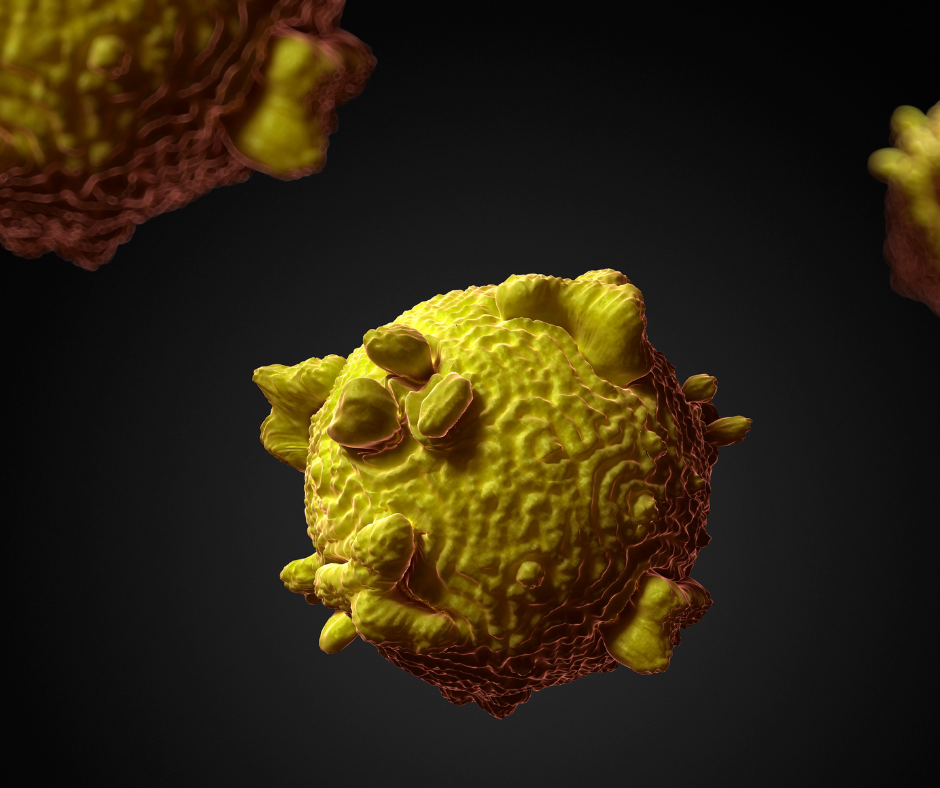
Veterinary knowledge about vaccinations and immunity has continued to develop.
Current evidence demonstrates that the C3 core vaccine generally produces longer lasting immunity against three serious diseases:
1: Canine parvovirus
2: Canine distemper
3: Canine adenovirus, which is associated with infectious canine hepatitis
Once a dog has completed their puppy vaccination course and developed a good immune response, the protection provided by C3 will generally last longer than one year.
To support this approach, we have moved to a C3 vaccine that is approved for revaccination at three year intervals in adult dogs, based on extensive studies examining immunity following vaccination.
Therefore, for most adult dogs, the C3 vaccine can be provided every three years rather than annually. This can also be supported by our in-house titre testing (as relevant).
This does not mean C3 vaccination is becoming less important. These diseases remain serious and potentially fatal.
The aim is to provide the core vaccination at the appropriate time, based on the individual dog’s age, health, vaccination history and disease risks.
What is staying the same? - The Importance of the Annual Health and Vaccination Consult
You dog’s Annual Health and Vaccination Consult remains important and their canine cough vaccine still needs to be administered annually.
A dog’s health can change considerably over 12 months, often before there are obvious outward signs at home. Dogs also age much more quickly than people. Waiting until they appear unwell may mean that a condition has been developing for some time before it is identified.
Your Health and Vaccination Consult includes an annual canine cough vaccine, and reviews
Teeth and oral health
Weight and body condition
Heart and circulation
Joints, movement and mobility
Skin, coat and ears
Eyes and general physical condition
Lumps or other physical changes
Lifestyle and disease exposure risks
and discusses other preventative care needs including timing of C3
It is helpful to remember that 12 months for a dog is like 6-7 years for us, so essentially, a visit to the doctor once every 6 years!
This is also why we recommend a check every 6 months for older pets.
Finding changes earlier may provide more options for treatment, management and ongoing care.
What vaccination will my dog receive each year?
Canine cough vaccination (oral or injectable) is still important annually and will continue to be included as part of your pets Annual Health and Vaccination consult.
Canine cough is a contagious respiratory condition that can spread when dogs mix through parks, walking areas, grooming salons, training, daycare, boarding and other social contact.
The canine cough vaccination helps reduce the risk and severity of disease. It is managed annually because the immunity it provides is different from the longer lasting immunity associated with the C3 core vaccine.
Understanding Titre Testing
Titre testing is a blood test that checks for measurable antibodies against the three diseases covered by the C3 vaccination (Canine parvovirus, Canine distemper, Canine adenovirus)
The test provides our vets with additional clinical information about how your dog has responded to vaccinations and whether measurable antibodies remain present.
Antibodies reflect immune protection , so a good level of antibodies reflects a good immune response against these vaccinatable diseases.
Titre testing has become easier to access at Forth Valley Veterinary Clinic with new in-house testing and equipment in our lab.
This testing is completed in-house and results are generally available on the same day.
This allows our vet to consider the result alongside the dog’s vaccination history, age, health and individual disease risks when making a recommendation.
Titre Testing Does Not Guarantee Immunity
No test can guarantee complete immunity. Titre testing measures circulating antibodies, but antibodies are only one part of the immune system. It does not fully measure immune memory or every factor that may affect how an individual dog responds when exposed to disease.
However, an adequate titre provides useful evidence that measurable antibodies are present. It gives our vets more information than relying only on the date of the dog’s last vaccination.
This is why titre testing is used as a clinical decision tool rather than as a guarantee of immunity.
We recommend Titre Testing for:
A puppy at six months of age to confirm their response to their core vaccination course.
A dog that has an uncertain or incomplete vaccination history
A dog that is older (8 years and older) where our vet wants additional information before recommending C3
A dog that has ongoing health conditions that may affect the vaccination decision
The vet and/or yourself want more information about the dog’s measurable antibody response
Our vet's recommendation will always consider the individual dog rather than applying the same pathway to every patient.
Senior Dogs and the Importance of Bi-Annual Health Checks
For most adult dogs up to around eight years of age, an annual health and vaccination consultation is generally appropriate.
As dogs enter their senior years, their health can change more quickly. Some conditions involving the kidneys, liver, heart, joints, hormones or cognitive health may develop gradually and may not cause obvious signs during their early stages.
For this reason, our vets recommend bi-annual health checks for senior dogs.
Their C3 vaccination and titre testing needs will also be considered individually. Being older does not automatically mean a dog should or should not receive a vaccination.
Our vet will consider the dog’s overall health, previous vaccination history, titre results, your feedback as well as disease exposure risks before making a recommendation.
We often recommend blood testing as well, to reveal the internal health status of our older pets (their kidney and liver function etc)
A more individual approach to preventive care
Your dog’s Health and Vaccination Consult continues to bring together a thorough health assessment, annual canine cough vaccination plus an appropriate core vaccination and titre testing when it is clinically useful.
This allows our vets to more carefully consider the unique needs of your dog.
Our aim is to continue protecting dogs from serious disease while making thoughtful, evidence-based decisions about their health and immunity at every life stage.
If you have questions about your dog’s vaccination history, titre testing or next appointment, please contact the Forth Valley Veterinary Clinic team.
FAQs
-
No. Your dog’s vaccination and needs will still be reviewed annually. The aim is to provide C3 when it is medically required, while avoiding core vaccination more often than necessary.
The canine cough vaccination will remain annual, and the C3 schedule will be managed according to your dog’s health, vaccination history and individual risks.
-
A Health and Vaccination Consult is $148 .
Like previous vaccination consults this is still a 30-minute veterinary consultation which includes a full health examination and preventive care planning.
The appointment also includes your dog’s annual Canine Cough vaccination and a review of your dog’s vaccination and immunity needs.
C3 is included when it is clinically due, but it is not required every year and is not the only purpose of the visit.
-
Titre testing and vaccination serve different purposes.
Vaccination helps the immune system develop a response to disease.
Titre testing checks whether measurable antibodies are present following vaccination.
Titre testing does not mean vaccination is unnecessary. It provides information that helps our vet decide whether a C3 vaccine is currently needed and discuss this with you
-
Veterinary care continues to develop as research, vaccine products and diagnostic testing improve. Vaccination recommendations are also influenced by the products available, the individual dog and the clinical information available to the vet at the time.
FVVC is bringing current evidence, annual health care and improved access to titre testing together into a clearer and more individualised Health and Vaccination program.
-
Some boarding kennels, daycare providers and dog organisations may accept titre certificates as evidence of C3 antibodies. Others require evidence that vaccination has been given within a particular period.
Clients should check the requirements of their boarding kennel, daycare provider, training organisation or dog club before relying on a titre certificate.
-
Recently adopted dogs, rescue dogs and dogs with incomplete records will need an individual health and vaccination plan.
The vet may recommend C3 and canine cough vaccination, titre testing, or a combination of these based on the available history and the dog’s circumstances.
If your dog has recently joined your family, please bring any previous vaccination certificates or medical records to the consultation if they are available.
-
You do not need to change the booking or contact the clinic.
Existing annual vaccination bookings will automatically become a Health and Vaccination Consult.
Your vet will review your dog’s vaccination history and explain what is recommended during your consultation.
-
Most puppies respond well to their puppy vaccination course. However, antibodies received from their mother can sometimes interfere with their response to earlier vaccinations.
The final puppy core vaccine is targeted for around 16 weeks of age because maternal antibodies have usually reduced by this stage. Even then, some puppies may not develop the expected antibody response.
At around six months of age, we recommend a Juvenile Vaccination Confirmation Titre Test.
This test helps confirm that the puppy’s immune system responded properly to their puppy vaccination course.