
Spring in Tasmania means longer walks, warmer afternoons and, for many dogs, a lot more scratching. Itchy skin is one of the most common reasons pet parents call us at this time of year. We sat down with Dr Joh to ask the questions we hear most.
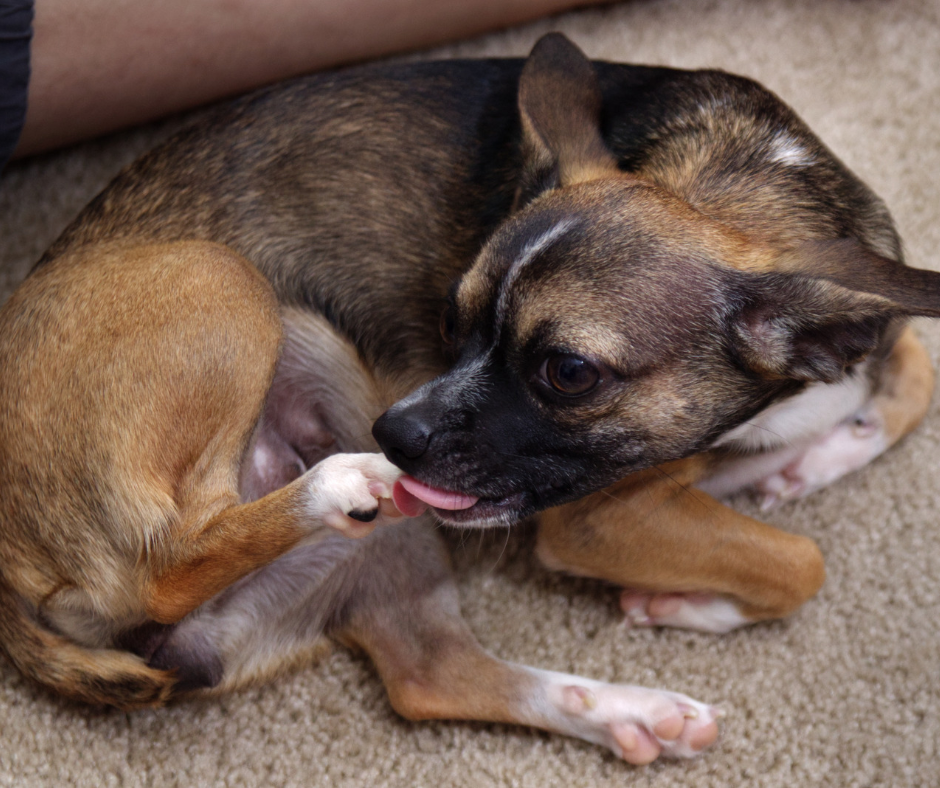
"Why does my dog lick his paws so much in spring?"
Paws are the first part of your dog to touch grass, pollen and everything else on a walk. In dogs with an environmental allergy (a reaction to things around them, like pollens and grasses), the skin on the paws becomes inflamed and itchy. Licking and chewing is how they try to soothe it. You might notice reddish-brown staining on the fur between the toes, which comes from saliva. An occasional lick after a walk is normal. Constant licking, especially at night, is worth a check-up.
"How do I know if it's fleas or an allergy?"
They can look very similar, and some dogs have both. Flea itch is often worst around the lower back, the base of the tail and the back legs. Allergy itch tends to show on the paws, ears, face, armpits and belly. You won't always see fleas either, and a single bite can set off a lot of itching in a sensitive dog. That's why we check for both.
"Can dogs get hay fever like people do?"
Dogs can react to pollens and grasses, much like people with hay fever. The difference is that dogs usually show it through their skin rather than their nose. So instead of sneezing, you're more likely to see scratching, licking, head shaking or red ears. Some dogs flare up every spring, while others itch all year round.
"Is it OK to try a bath or change his food first?"
A gentle rinse after a walk can help wash pollen off the paws and belly, and that's a sensible place to start. Please check with us before using human shampoos, oils or creams, as some can irritate the skin or be harmful if licked. Changing food on your own is rarely a quick fix. Food allergies are less common than environmental allergies, and testing for one takes a careful diet trial over several weeks, which we can guide you through.
"What happens at a skin appointment?"
Your vet will ask when the itch started, where it is and whether it changes with the seasons. They'll examine your dog's skin, coat, ears and paws closely. If needed, they may take a sample from the skin or ears to look at under the microscope. This shows whether there's an infection with bacteria or yeast, which often occurs after an allergy flare-up once the skin barrier is broken by excessive licking or scratching, and makes the itch worse. From there, your vet will recommend a treatment plan to bring relief and help manage future flare-ups.
We offer a 30-minute skin consult, and a 45-minute extended skin consult when you'd like more time to talk through a specific or ongoing skin issue.
"When should I call you?"
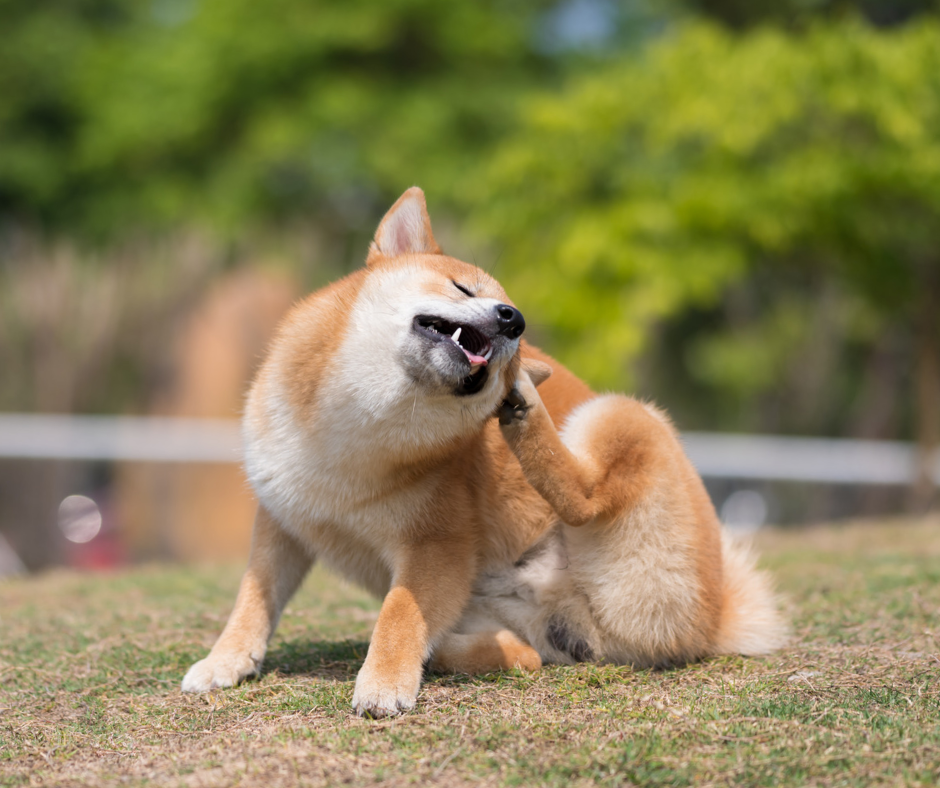
Please call Forth Valley Vet Clinic if:
the itch is keeping your dog awake at night
the skin is red, broken, scabby or smells
your dog keeps shaking their head or scratching their ears
there's hair loss or sore patches
a rinse after walks hasn't helped
If itching is getting in the way of your dog's everyday life, book a check-up so we can bring relief sooner.
Call us on (03) 6428 2703.