Knowing what to expect makes surgery day easier for you and your pet. Here's how the day runs step by step, and when you'll hear from us.
The night before
Fasting Instructions Provided. No food after about 8pm the night before. An evening meal at the usual teatime is fine. Water is fine and doesn't need to be taken away. The fasting is for food only. An empty stomach helps keep your pet safe under anaesthetic. Please note: exotic pets such as rabbits, ferrets, birds and guinea pigs should not be fasted, and we'll always give you instructions specific to your pet. We'll go through this with you when you book, and it's also in the reminder message we send before surgery day.
Tell us about all medications. Please let us know about everything your pet is taking before surgery, including prescription medications, supplements, probiotics and herbal treatments. Some products can interact with the anaesthetic or with medications your pet may be given during and after surgery. Knowing in advance means your vet can plan the safest anaesthetic and pain relief for your pet.
Surgical admission
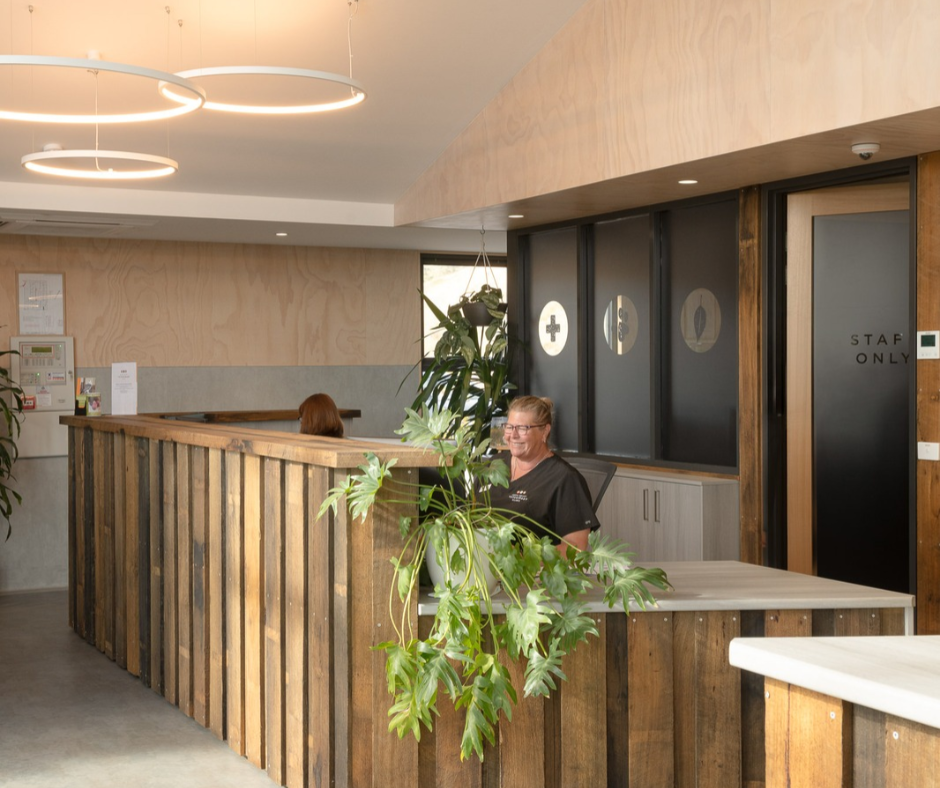
We will ask you to drop your pet off between 7.45am and 8.30am and we’ll give you a specific admission appointment time for your pet within this period when you book your appointment. A vet nurse will go through our surgical consent form with you. We'll may also book your discharge appointment at this time depending on the procedure.
This is a good time to ask questions or tell us about any changes in your pet.
Before the procedure
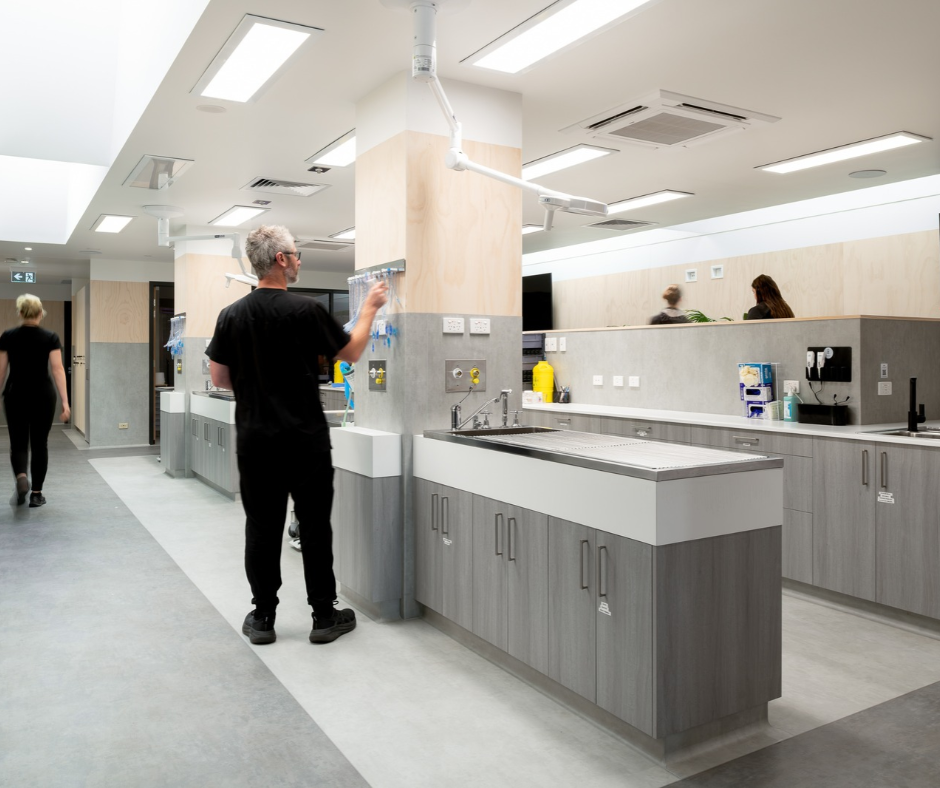
Your vet examines your pet again before the anaesthetic.
We also recommend a pre-anaesthetic blood test. The test shows how well organs like the liver and kidneys are working, which matters because they help your pet's body process the anaesthetic. It can also show hidden issues, such as an infection or anaemia (a low red blood cell count). The results help your vet tailor the anaesthetic and fluids to your pet, so the procedure is as safe as possible and helps provide a smoother recovery.
During the procedure
Your pet is never left alone under anaesthetic. Your vet and a vet nurse work together as a team throughout the procedure. While the vet focuses on the surgery, the nurse is dedicated to monitoring your pet's anaesthetic from start to finish. They closely track heart rate, breathing, oxygen levels, temperature and blood pressure, and keep the vet updated at every step. This means any change is identified straight away and the anaesthetic can be adjusted on the spot, so your pet stays as safe and comfortable as possible.
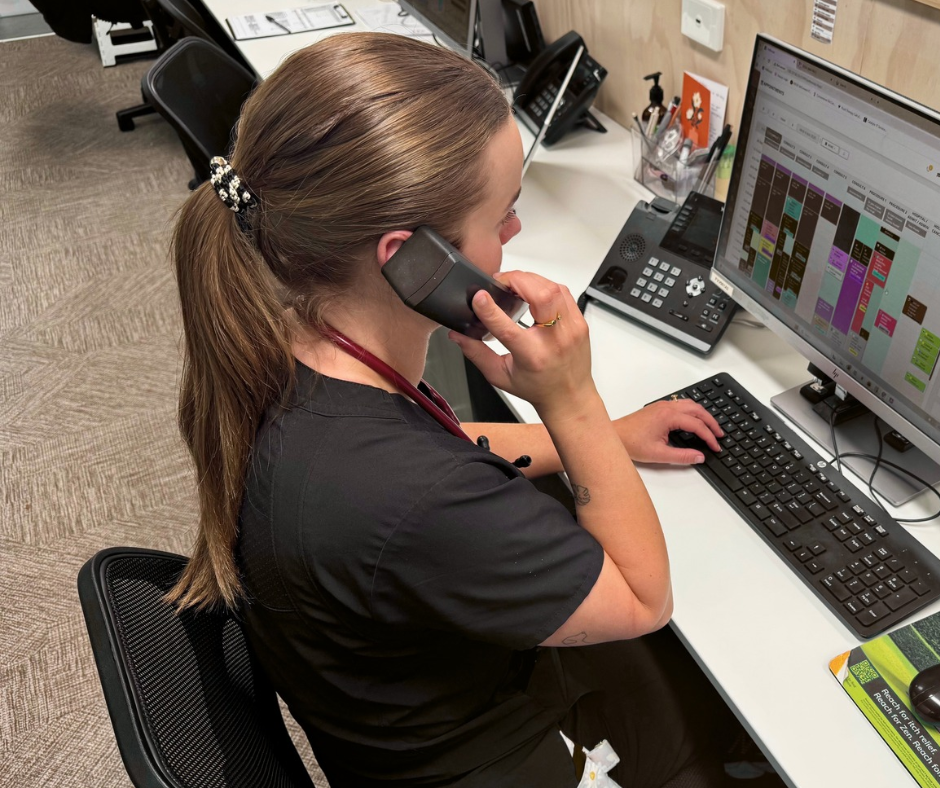
Your update call
We know the wait while your pet is in surgery can feel long, and it's natural to worry. That's why, once your pet is in recovery, our vet nurse will call you with an update from the vet on how the procedure went, so you can stop wondering and know how your pet is doing.
If you're particularly worried about your pet's surgery, or would like an extra update before or after a complex procedure, please let us know. We're always happy to help support you.
Recovery
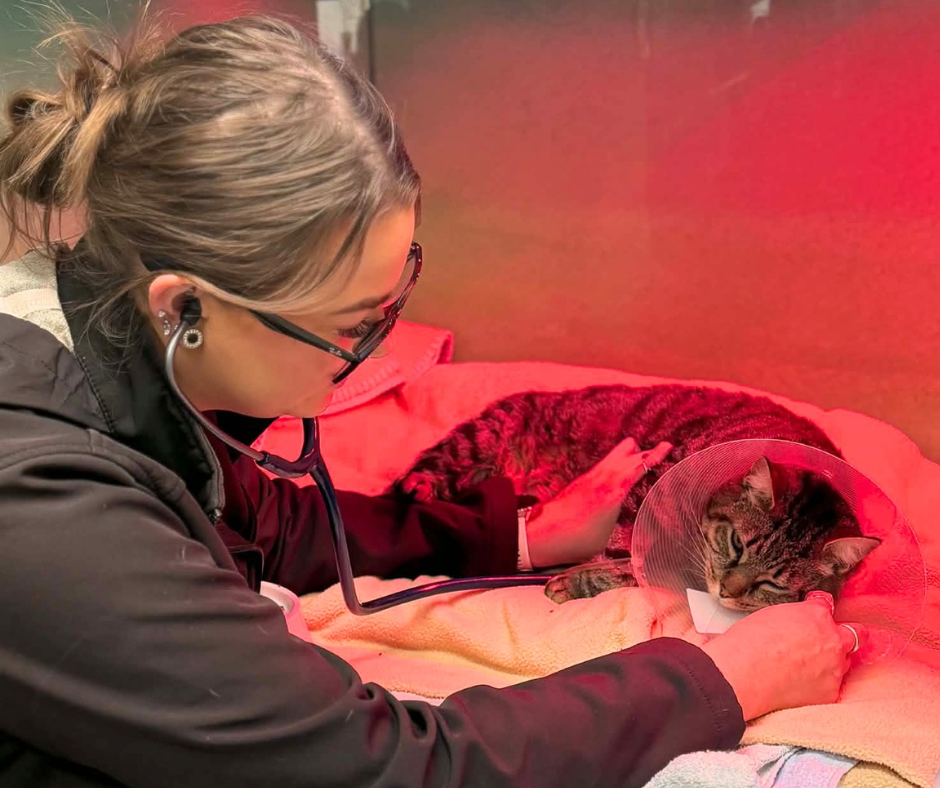
Recovering in our ICU ward. After surgery, your pet wakes up in our ICU (intensive care unit) ward, a quiet, warm space where our team can keep a close eye on them as the anaesthetic wears off. In the ICU we can give extra oxygen, control the air humidity, warm or cool your pet as needed, and keep monitoring their vital signs throughout their recovery.
Ready to go home. Before your pet goes home, we check that they have eaten, have urinated (done a wee) and are recovering well. Your pet only goes home once our vet team is fully satisfied it's safe to do so, so you can feel confident caring for them at home.
Going home
At your discharge appointment, a vet or vet nurse (depending on how complex the procedure was) goes through the discharge instructions and any medication, and answers any additional questions you might have.
After some complex procedures, such as BOAS surgery (to help flat-faced breeds breathe more easily) and TPLO surgery (to repair a torn knee ligament), we recommend booking a revisit consult. It allows us to check how your pet is healing, adjust the recovery plan if needed, and answer any questions as your pet gets back to normal. Your first revisit for these types of surgical procedure is complimentary.
The next day
Questions often come up once you're home, so our vet nurse calls you the next day. It gives you a chance to ask anything you're unsure of, helps us catch any concerns early, and means you're never left wondering whether your pet's recovery is on track.
Call us on (03) 6428 2703 to talk through your pet's surgery day.