Beyond the labels: What our vets really think about dental chews, gels and toothbrushes
Pet aisles are full of products promising fresh breath and clean teeth. Some genuinely help, some don't do much, and a few can do more harm than good. We asked Dr Joh to help cut through the labels and noises on what to do and what not to do.
"Why does what I do at home matter so much?"
Plaque starts forming on your pet's teeth within hours of a clean. If it isn't removed, it begins to harden into tartar within a few days. Once it's tartar, you can't brush it off. So home care is really about disrupting plaque every day or two, before it has the chance to harden. It won't replace a professional clean, but it can slow things down a great deal.
"Do I really need to brush? How often?"
If your pet will let you, brushing is the single most effective thing you can do at home. Daily is ideal, because plaque builds up every day. If that isn't realistic, brushing every second day still makes a real difference. A few days a week is much better than none.
"My dog won't let me near his mouth. Where do I start?"
Slowly, and with lots of rewards. Most dogs can learn to accept brushing if you build up over 2–4 weeks.
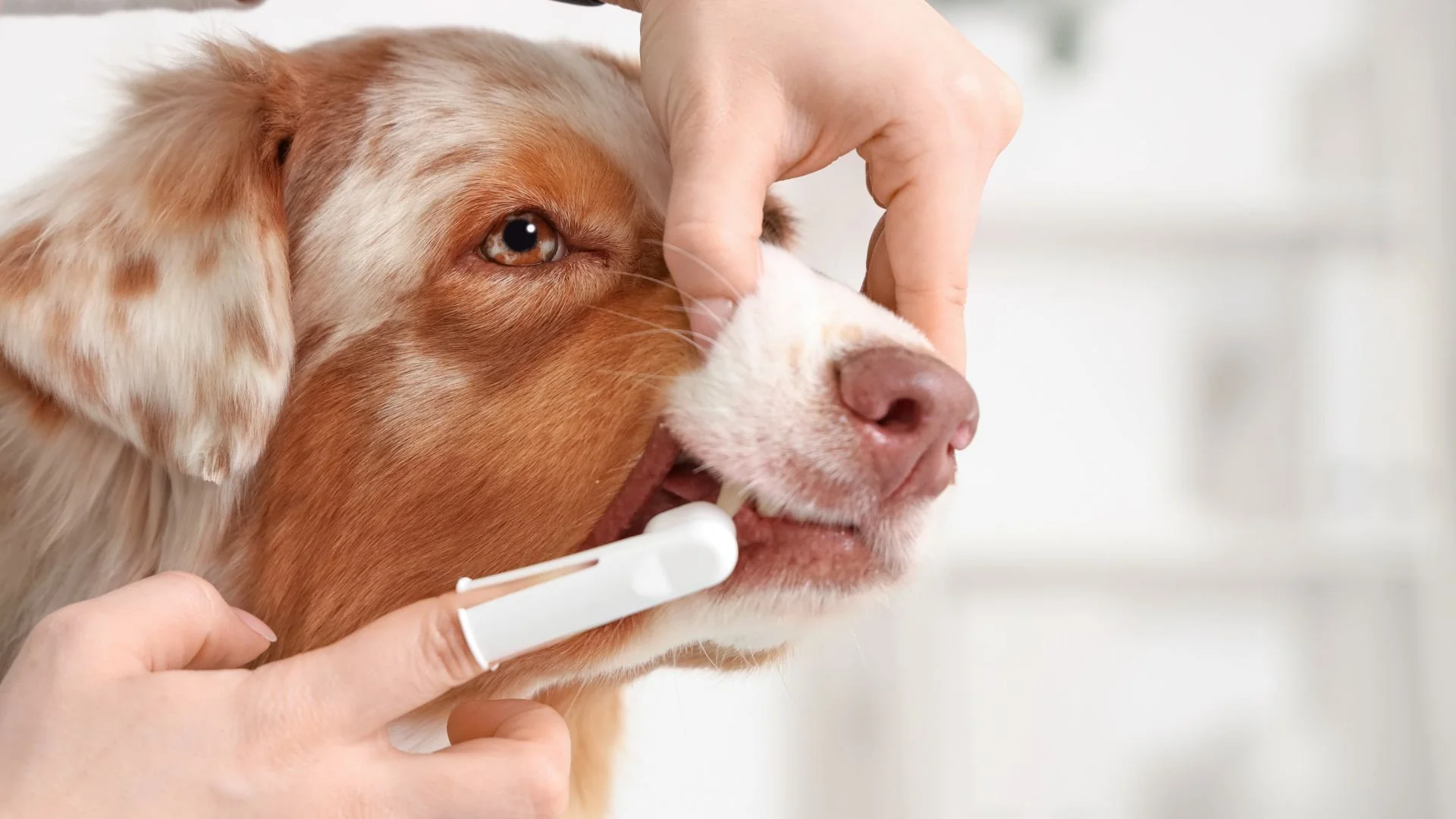
Gently lift your dog's lip and touch their teeth and gums with a finger for a few seconds, then reward them.
Let them lick a little pet toothpaste off your finger. Most are flavoured, so this soon becomes the treat.
Rub a little toothpaste along the gums with your finger.
Swap to a soft pet toothbrush or finger brush, and brush just a few teeth at a time.
Build up to about 30 seconds each side. Focus on the outside surfaces of the back teeth and the large canine teeth, where tartar tends to build up most.
Keep each session short and finish before your dog gets restless. It's meant to be a nice moment, not a wrestle.
"What about cats?"
Cats can learn to accept brushing too, but they usually need a slower start, especially older cats. A finger brush, or a little gauze wrapped around your finger, is often easier than a toothbrush. Even brushing just the outside of the teeth helps. If your cat simply won't have it, that's okay. We'll help you find another option. Please don't force it. A stressed cat (and a scratched owner) doesn't help anyone.
"Can I use my own toothpaste?"
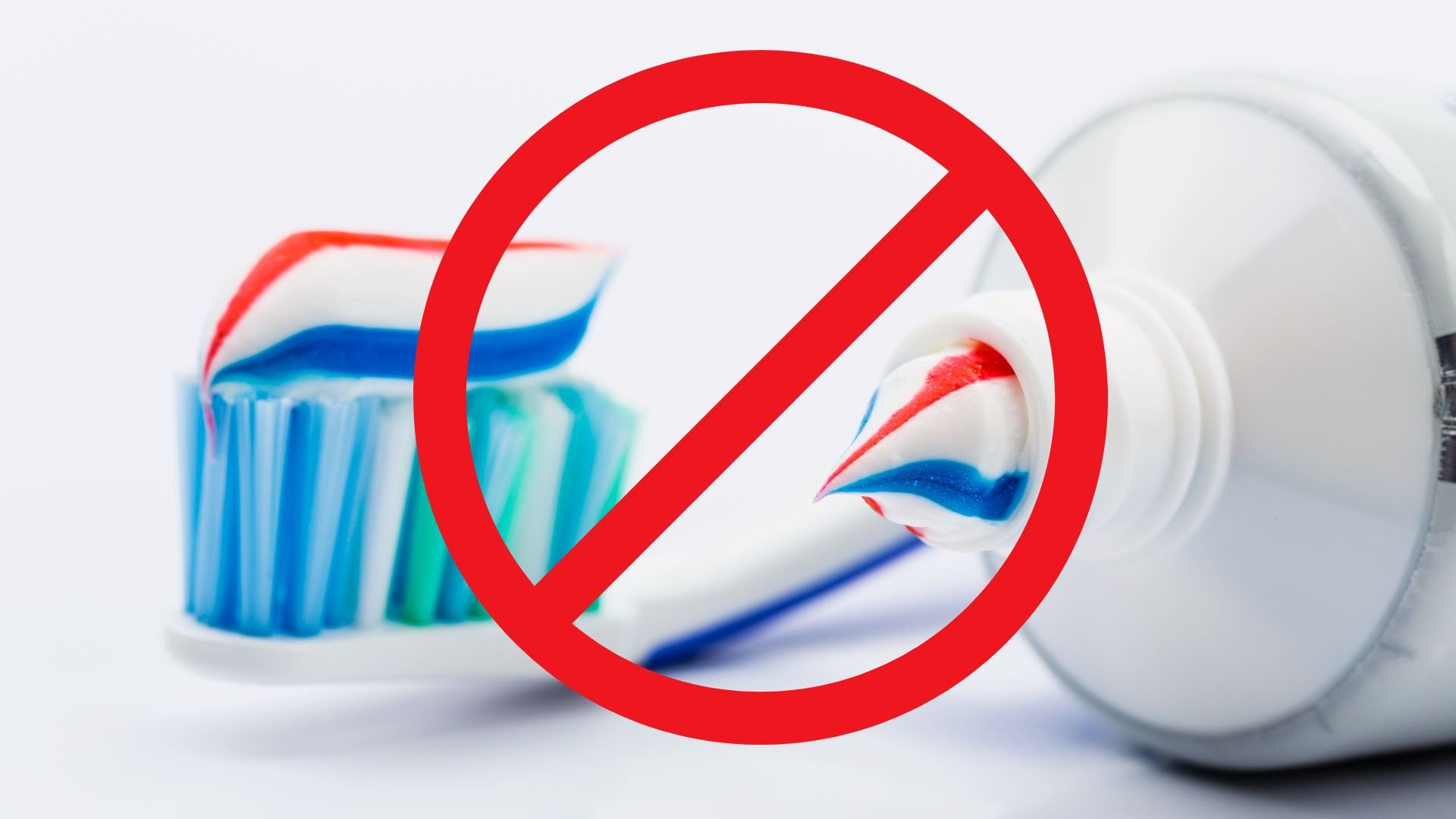
Never use human toothpaste on your pet. Pets swallow toothpaste rather than rinsing it out. Many human toothpastes contain fluoride and foaming agents that aren't meant to be swallowed.
Some also contain xylitol, a sweetener that is toxic to dogs.
Always use a toothpaste made for pets.
"Do chews, gels and water additives actually work?"
Some do, and some have much better evidence behind them than others. That's why we don't recommend choosing a product based on the packet alone." The options we stock work in different ways:
Water additives (such as Oxyfresh) are added to your pet's drinking water to help reduce the bacteria that cause plaque and bad breath. They're easy to use, as long as your pet drinks mainly from their own bowl.
Seaweed powders (such as Simply Seaweed) are sprinkled into food and may help reduce plaque build-up. Simply Seaweed contains iodine, so please speak with us first if your pet has a thyroid condition.
Dental gels and sprays (such as Mavlab Dental Spray Gel) are applied directly to the teeth and gums. They're useful for pets who won't accept a brush.
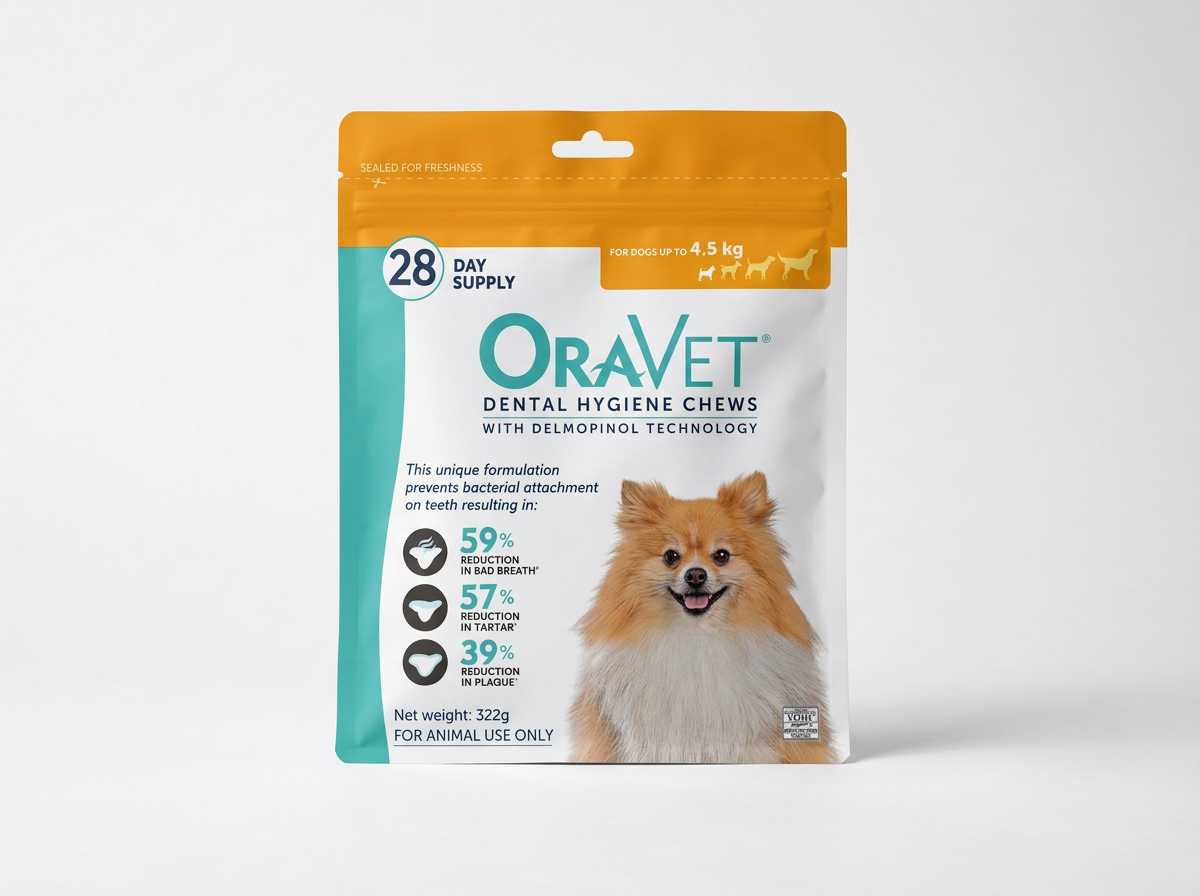
Dental chews (such as Greenies or OraVet) are designed to scrub the teeth as your pet chews. They work best when they're the right size and texture for your pet, and when your pet actually chews them rather than swallowing them whole. Chews add to your pet's food for the day, so allow for them to help keep weight in check.
Dental diets (such as Hill's Prescription Diet t/d) are specially designed kibble that scrapes the tooth surface as your pet bites into it. We recommend these only after a check, as part of your pet's overall diet.
The right choice depends on your pet's mouth, diet, general health and, honestly, what they'll put up with. We'd much rather you use one thing consistently than buy five things that end up in the cupboard.
"What does the VOHC seal on the packet mean?"
VOHC stands for the Veterinary Oral Health Council, an independent group of veterinary dental specialists. It reviews trial results and awards its seal to products that have shown they reduce plaque, tartar or both. It isn't the only sign of a good product, but it's a helpful one. If a product doesn't carry the seal, ask us what we know about it
"Which chews and toys would you avoid?"
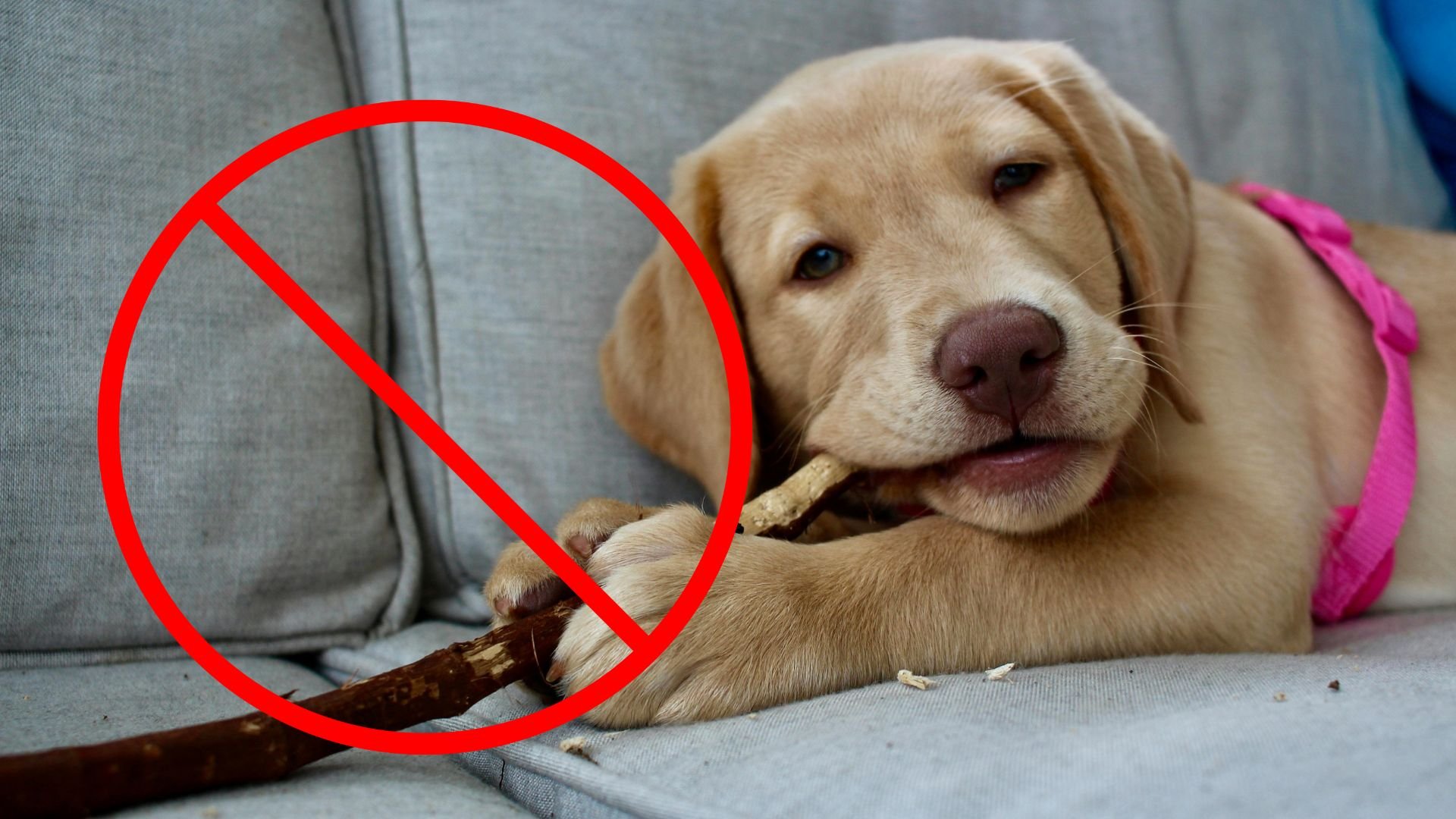
The ones that are too hard. Broken teeth from chewing on something harder than the tooth itself are more common than many people realise. A broken tooth can be very painful, and it often needs treatment or removal.
Items to be careful with include:
Antlers, hooves and hard nylon bones
Cooked bones, which can splinter and cause injuries or blockages
Rocks and sticks, including those favourites on the beach or around the farm
Tennis balls, whose fuzzy surface can act like sandpaper and wear teeth down over time
A simple rule of thumb: if you can't press your thumbnail into it, or bend it, it's probably too hard for your dog's teeth.
"What about bones?"
Bones have pros and cons, and at times the risks can far outweigh the benefits. Whether they suit your dog is an individual choice that depends on the type of dog you have and their chewing habits. We'd recommend talking it through with us so we can tailor our advice to your dog.
One thing every vet agrees on: never feed cooked bones.

"What about anaesthetic-free dental cleaning?"
We understand why it appeals, especially if you're worried about an anaesthetic. But scraping tartar off the visible part of the tooth while a pet is awake is mostly cosmetic.
It can't clean below the gumline, where disease does the most damage, and it can't include X-rays. It can also leave the tooth surface scratched, so plaque builds up faster.
The teeth may look clean while problems carry on underneath. Being held still for scraping while awake can also be stressful and frightening for pets. Some become wary of having their mouth touched, which makes future checks and home care much harder.
"If I brush every day, do I still need a Dental Check?"
Yes. Home care slows plaque down, but it can't remove tartar that has already formed below the gumline, or treat a broken, infected or painful tooth.
Even pets with excellent home care can still need treatment.
Lilly is a good example: she was having her teeth brushed and chewing dental chews, yet still needed 9 teeth removed. A Dental Check every six months is our chance to see what's working and adjust your pet's plan together.
When you book your pet's Dental Check on (03) 6428 2703, we'll help you build a home care plan that suits them.