Forth Valley Veterinary Clinic Blog
Our top tips and useful information regarding pet and animal health…

Elbow Dysplasia
Canine elbow dysplasia (ED) is a condition involving multiple developmental abnormalities of the elbow joint. The elbow joint is a complex joint made up of 3 bones (radius, ulna, and humerus) (figure 1). If the 3 bones do not fit together perfectly due to growth abnormalities, abnormal weight distribution on areas of the joint occur causing pain, lameness, and the development of arthritis.
Hip Dysplasia
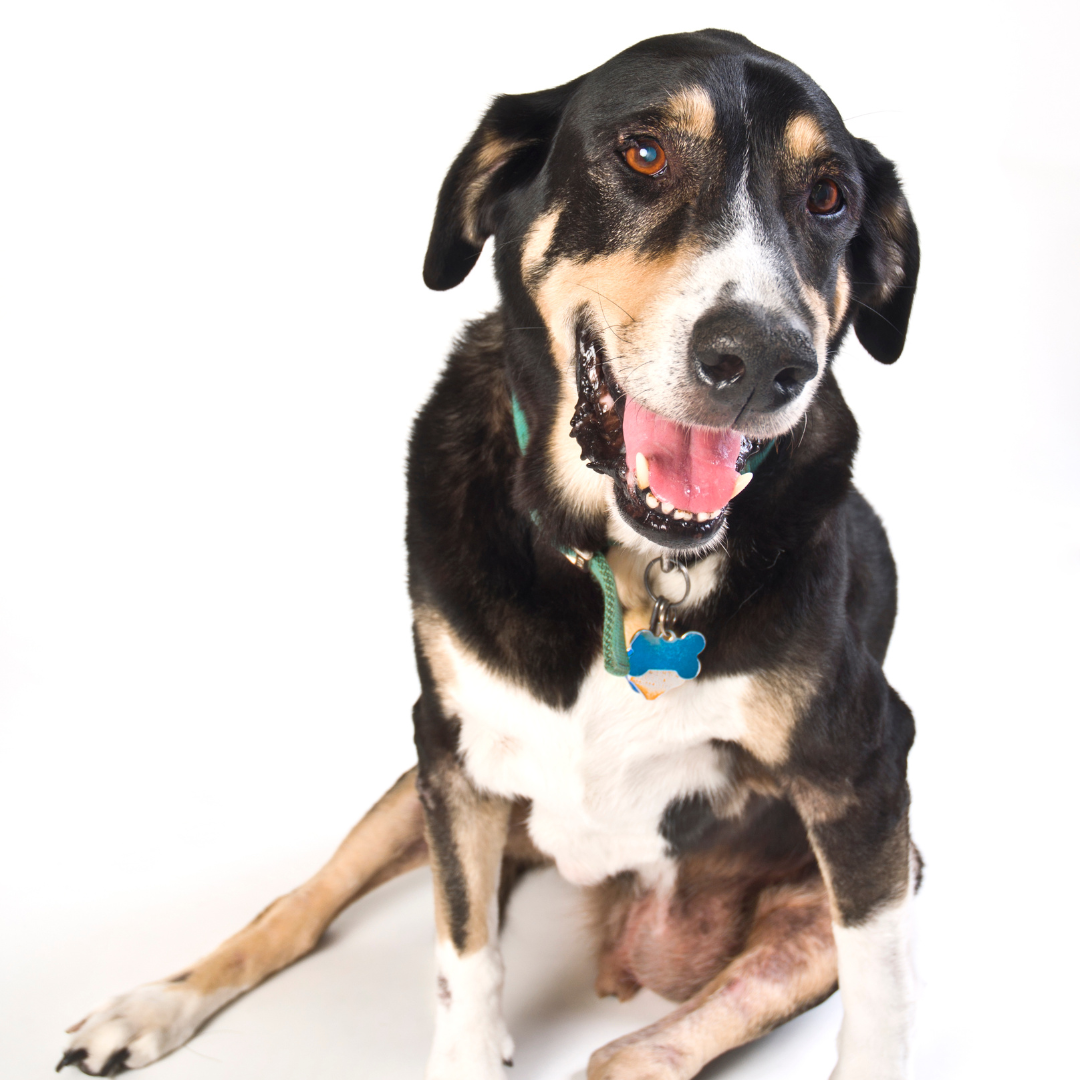
Hip dysplasia is a deformity of the hip joint (coxofemoral joint) that occurs during an animal's growth period. Many large breed dog owners have heard of it, but the fact is that anyone owning a dog should become familiar with this condition.
Technyflex
Technyflex is a natural product for dogs that may relieve sore and inflamed joints, arthritic symptoms, and is known for its anti-inflammatory activity. It is a natural alternative to nonsteroidal anti-inflammatory drugs - Technyflex Canine is quality green-lipped mussel for dogs.

Pentosan
The star product for Arthritis
Pentosan injections are usually the best form of arthritic management, especially in the early stages of joint disease, and are the #1 choice if picking just one option.
Pentosan stimulates healthy cartilage production and has a long-term effect of preventing the amount of arthritis development. It can also improve pain levels and mobility in the short term and essentially improves joint lubrication.

Weight Management
Obesity is the most common nutritional disorder in dogs and cats. This condition can seriously affect your pet’s quality of life. Dogs that are athletic in shape tend to live several years longer and develop orthopaedic issues (such as arthritis) several years later.
Arthritis and Our Pets - Management
With so many therapy options available nowadays, it's paramount to match any treatment with their underlying cause and joint(s) involved. Arthritis is commonly worse in overweight and unfit dogs, so the most important therapy is the combination of weight control and exercise management: minimising load on the joints, and maximising the range of movement and fitness of the muscles around those joints.

Arthritis and Our Pets
It can be as uncomfortable for our dogs as it is in humans - but there are ways of managing the disease to ease your pet's pain.
Arthritis simply means 'inflammation of the joints' and is a common problem for many dogs. Most of you will no doubt know of a dog suffering from arthritis that has shown the textbook signs of pain, discomfort and stiffness.

Dosing Compilance
Dosing Compliance? What does this mean for you and your pet? How important is it? What even is dosing compliance?

Pancreatitis
Pancreatitis is inflammation of the pancreas and it can be an acute or chronic condition and have a varying range of clinical signs. The cause of pancreatitis in dogs and cats is usually unknown but some risk factors associated with pancreatitis have been identified and will be discussed later.

Kidney Disease
Your cat’s kidneys play a vital role in maintaining her health. They help control her blood pressure, regulate the bloodstream, produce important hormones, enzymes, and red blood cells, as well as remove metabolic waste from the blood. If her kidneys aren’t able to do their job properly, this can lead to significant & life-threatening problems, such as kidney failure in your cat.

Guinea Pig
The guinea pig – Cavia porcellus, commonly referred to, as ‘cavy’ is a member of the rodent family and generally has a life span of four to eight years. They make lovely family pets and children absolutely adore them. Relatively easy to care for, they don’t take up a lot of space, small eaters, friendly and inquisitive little creatures with unique personalities and create strong bonds with their owners.

Skin Allergies
Skin problems in dogs are sometimes the result of environmental allergens. Dog skin allergies tend to show up in very specific areas of your dog including: face, ears, paws, base of the tail, under elbows and in the groin area. Allergies typically appear between ages of 3 months and 6 years. Be sure to ask your veterinarian if an allergy test is right for your dog.
Digestive Disorders
A digestive disorder is any condition that prevents proper digestion or alters the rate at which foods pass through your dog’s digestive tract. Dog digestive issues are one of the most common reasons for consulting a veterinary practice.

Diarrhoea
Diarrhoea is defined as a change in the consistency, frequency and/or volume of faeces and is the primary sign of an intestinal problem. Healthy dogs should be examined if they have had 3 to 4 days of stool the consistency of soft-serve ice cream or looser (you will never eat ice cream again now!). Cats are adapted for dry conditions and tend to conserve water, leading to very firm faeces. Any loose faeces in cats are abnormal and diagnostics should be performed if stools are loose.

Commonly Ingested Toxins
Previously we touched on foods that commonly cause toxicosis in dogs and cats. However, our pets can also ingest poisons and toxins that may not be food or food related products. Here is a list of the most common toxins ingested by pets:
Arthritis and Joint Disease Management - Dietary and Food
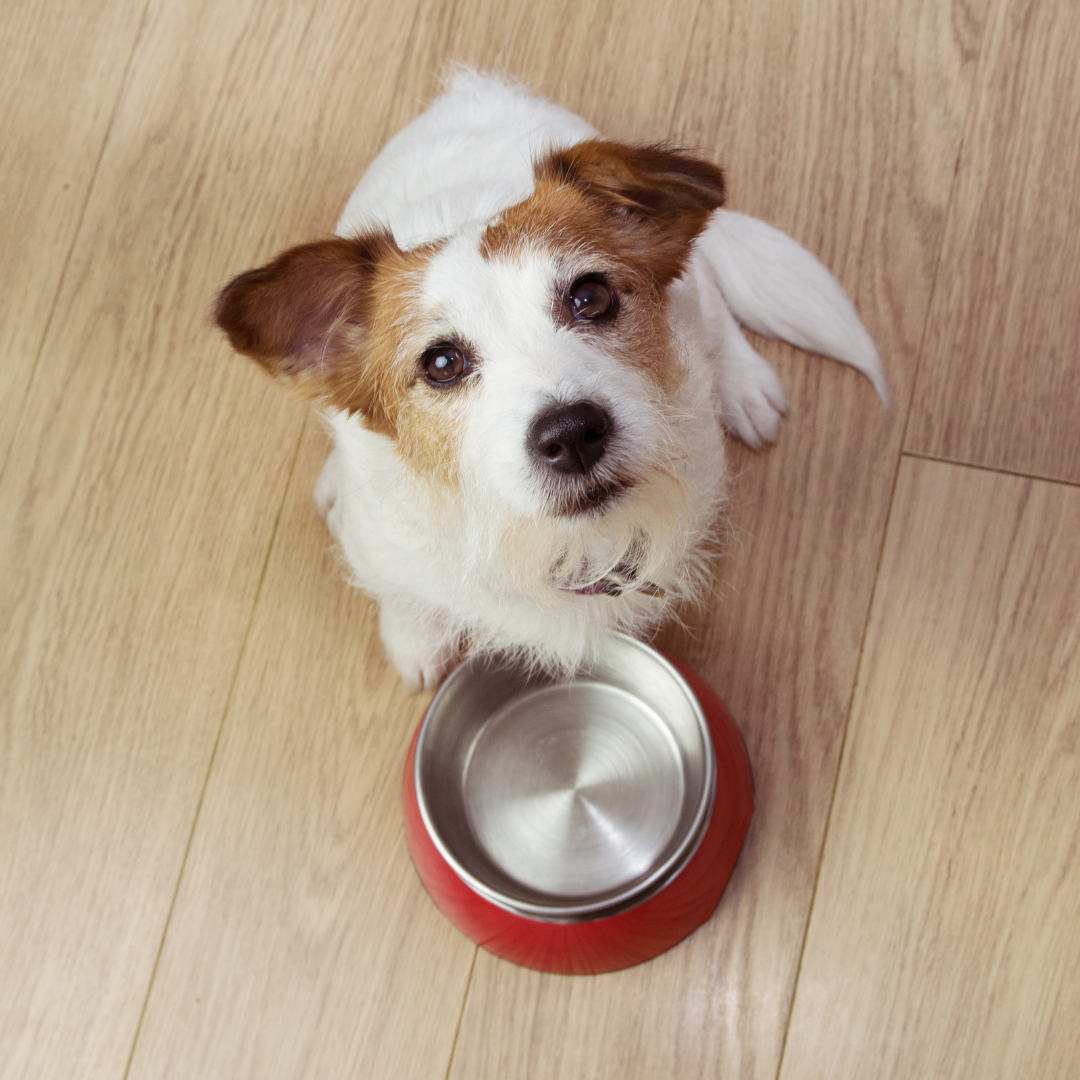
If required, a gradual weight loss program would be a good idea, where overweight levels are identified. An excellent brand of food for joint disease is Hills j/d. This is a prescription food made by Hills for pets with joint disease. An alternative can be Hills Metabolic + Mobility – focussing on joint health as well as weight loss. This is a dry pelleted food.

Arthritis and Joint Disease Management - Weight and Exercise Control
Animals require regular exercise to keep their joints moving (this is important for joint health) and to help weight control – however take care to prevent excessive exercise, as too much will have a negative effect and could increase pain. Ideal levels of exercise may be as short 10-15 minutes, but can be up to 25 mins, of controlled exercise 2-3x per day (slow and steady leash walks, no stairs/steps). This is the ideal level to aim for but don’t worry if in reality it means it’s not possible.

Dogs and Dairy
Easter... my favourite holiday. They only time you can eat chocolate for breakfast without the guilt.
Unfortunately the same isn’t for our fur babies. During the month of April we will be doing mini blog posts on dangerous foods for your pets!

Toxic Foods
Sometimes it’s hard to keep track of what your pet can eat. Some foods are great for your pet, but some can leave them feeling sick or worse (cause severe and fatal conditions). Below we have made a list of the potentially dangerous foods for your pet.

Vomiting
Vomit! Usually an event that will gross most of us out. It comes in a variety of forms, from mild to severe, once off to continuous, foamy, mucousy, you name it! Vomit can come in any form and at any time, but what does it mean?
Vomiting is the primary clinical sign associated with gastric dysfunction; it can be associated with the stomach, small intestine and colon. However, vomiting can also be a sign of disease in other abdominal organs, the central nervous system and can be a sign of poisoning or toxin ingestion.
Our staff are wildly passionate about animals and making sure your pet is living its healthiest and happiest life
Back that passion with expert qualifications and a love of learning, and it’s safe to say your fur family is in very safe hands.